If you love downtown energy but want a home that feels a little more like your own front door, South Loop townhome living can be a smart next step. Many buyers reach a point where a high-rise condo no longer fits the way they want to live, especially if privacy, parking, or outdoor space start to matter more. This guide will help you understand what makes South Loop townhomes different, what tradeoffs come with them, and which questions to ask before you buy. Let’s dive in.
Why South Loop Attracts Townhome Buyers
South Loop offers a blend that can be hard to find in Chicago. You get dense urban convenience along with pockets of more residential streetscapes, historic architecture, and easier access to cultural destinations like Museum Campus, Soldier Field, Motor Row, the Prairie Avenue District, restaurants, jazz clubs, and public art.
For many buyers, that mix is the draw. You can stay close to downtown while moving into a home that often feels more private and more house-like than a tower unit. That appeal is especially strong if you want more space without leaving the city core.
South Loop townhomes are also not the dominant housing type, which helps explain why they can feel distinctive. In the nearby Near South Side community area, 82.3% of housing units are in buildings with 20 or more units, while only 8.0% are single-family attached. The median year built is 2004, and 22.1% of units were built in 2010 or later.
That data matters because it sets expectations. In South Loop, townhomes are usually an alternative to tower living, not the default housing option.
What South Loop Townhome Living Feels Like
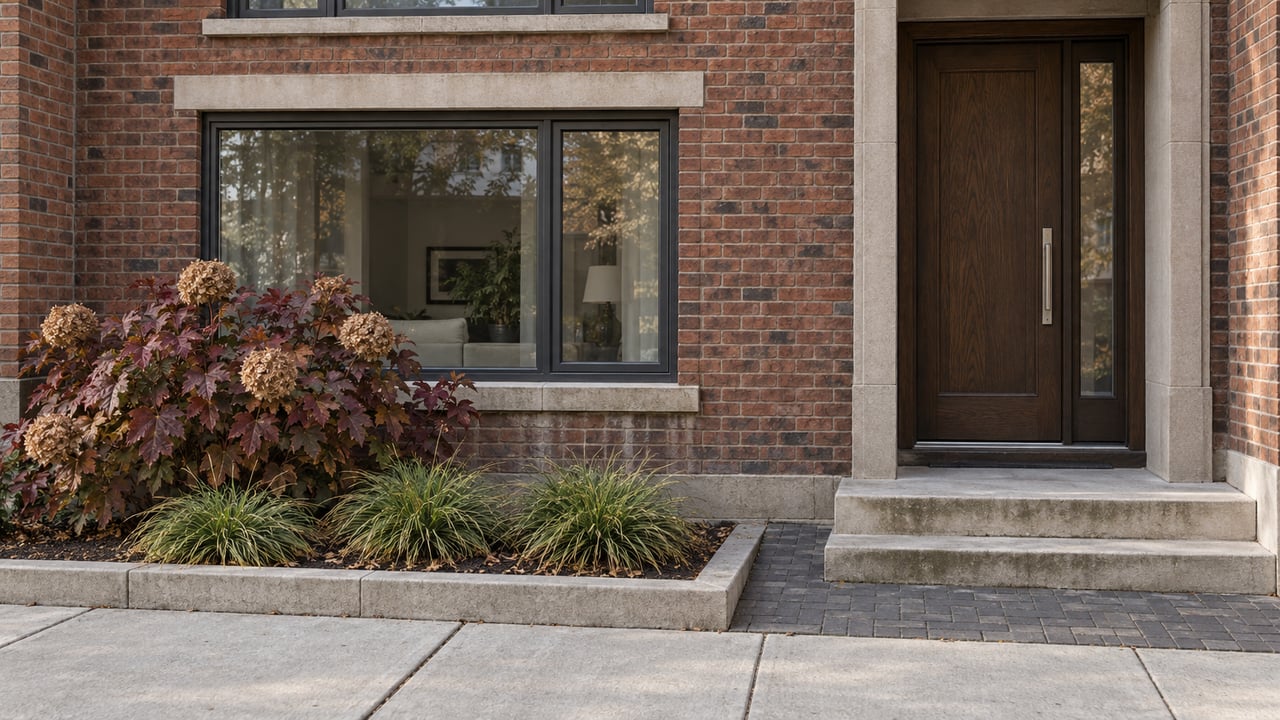
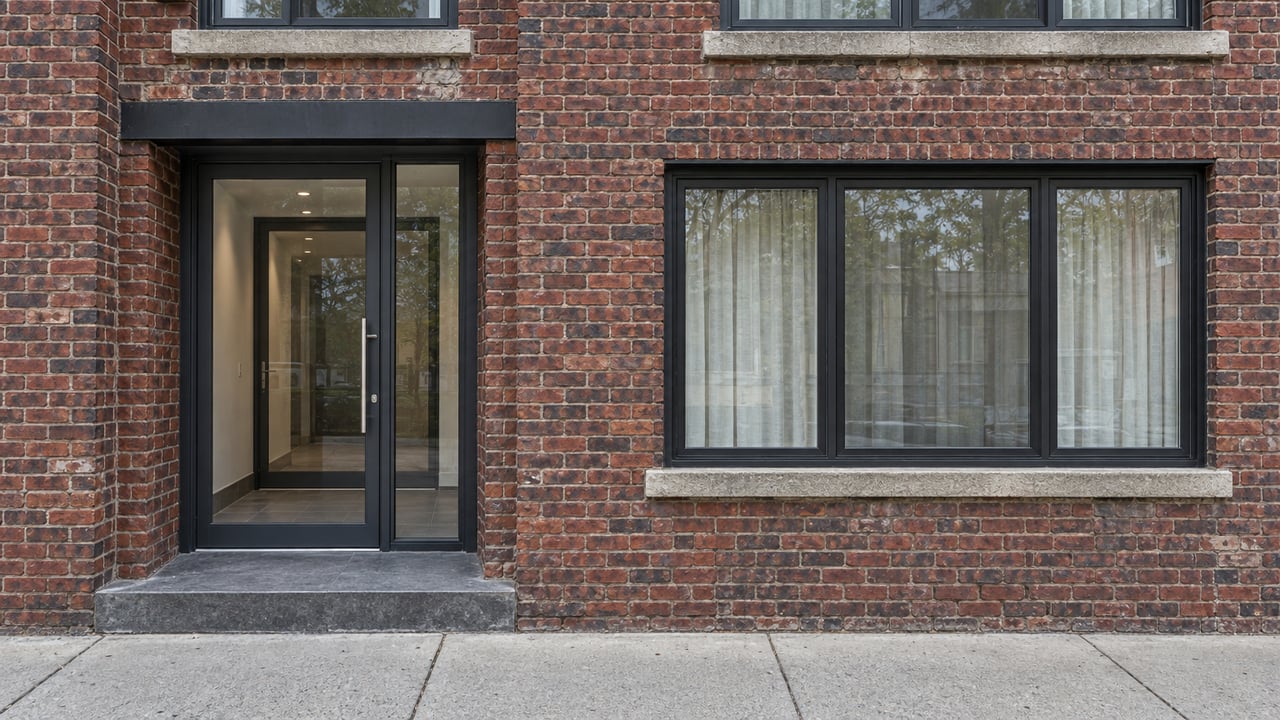
Compared with a condo in a large building, a townhome often feels more independent. You may have multiple levels, a dedicated entrance, fewer shared walls, and in some cases a small yard, patio, or attached garage.
That layout can be a strong fit if you want more separation between living spaces. For example, bedrooms may sit on a different level from your main entertaining area, and entryways can feel more private than a shared lobby or hallway.
The tradeoff is that townhome living usually comes with fewer tower-style amenities. You may give up features like large shared amenity floors or extensive building services in exchange for more privacy, more square footage, and more direct control over how your home functions day to day.
For many condo owners thinking about a move, that is the real comparison. A South Loop townhome can feel like a step toward single-family living while keeping you in a transit-friendly, central location.
Townhome vs Condo-Style Ownership
One of the most important things to understand is that the exterior look does not always tell you the legal ownership structure. In Illinois, a townhome can be part of a common interest community, and the recorded declaration, bylaws, or operating agreement help define how the property is owned and governed.
In plain terms, two homes that look similar from the street may work very differently on paper. One may function more like a traditional townhouse arrangement, while another may be governed more like a condo-style property with shared rules and obligations.
That is why buyers should never assume ownership details based on architecture alone. Before you commit, review the governing documents carefully so you understand what you own, what the association controls, and what costs come with that setup.
Why Associations Matter More Than Buyers Expect
Many buyers are surprised to learn how much association structure still matters, even when a home feels like a private house. Under Illinois law, common interest communities are administered by an association, and common expenses may include maintenance, improvements, insurance premiums, or real estate taxes for common areas.
That means monthly dues are not just a side note. They are a core part of the ownership model and should be treated as part of your regular housing budget.
Associations are also responsible for certain financial planning requirements. Illinois law requires annual budgets that outline common expenses, and those budgets may include reserves for capital expenditures, deferred maintenance, repairs, or other shared costs.
This is where due diligence becomes critical. A lower-maintenance lifestyle can still come with meaningful financial obligations, so you want to know whether the association is planning well or simply keeping dues low in the short term.
What To Review Before You Buy
Before buying a South Loop townhome, ask for the key association documents early. These can include the declaration, bylaws or other community instruments, rules and regulations, statements of liens or unpaid assessments, and information about anticipated capital expenditures.
As you review those materials, focus on a few practical questions:
- What does the association cover?
- How healthy are the reserves?
- Are any major projects planned?
- Is there a risk of a special assessment?
- How much control does the board have over exterior changes or day-to-day rules?
These answers can affect both your monthly costs and your long-term flexibility. A townhome may feel more private than a condo, but it can still come with detailed community rules that shape how you live in and maintain the property.
Historic Rowhomes Need Extra Attention
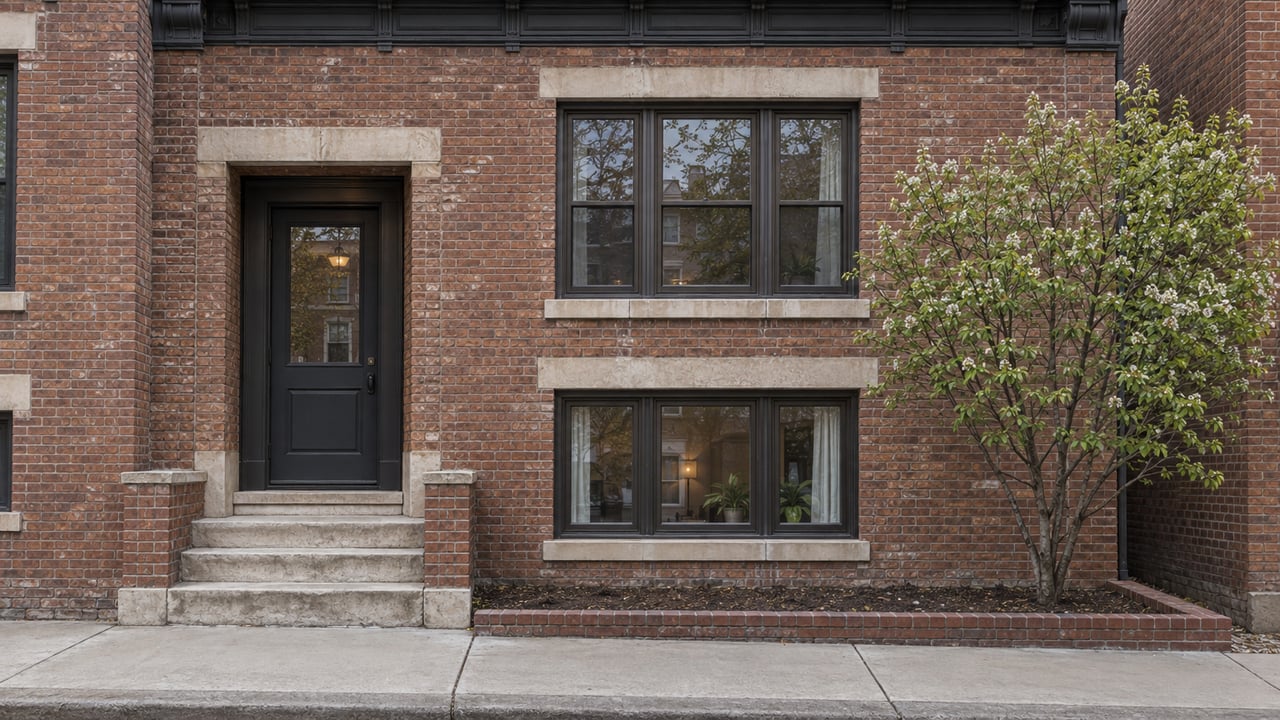
South Loop also has a meaningful historic rowhome presence, especially around the Prairie Avenue District. The City of Chicago describes that district as a place where surviving buildings preserve the character of a once-fashionable neighborhood.
If you care about architecture, these homes can be especially appealing. Historic streets can offer a different feel from newer construction, with more visual texture and a stronger sense of place.
But historic character also comes with extra considerations. For landmark districts, Chicago reviews permit applications for work affecting significant historical and architectural features, and that often includes exterior elevations visible from the public right-of-way.
For you as a buyer, that can affect changes to windows, façades, additions, or other visible exterior upgrades. If you are considering a rowhome in a landmark area, make sure you understand both association rules and city review requirements before planning future projects.
Outdoor Space Can Change Daily Life
One of the clearest advantages of townhome living is outdoor space. Townhomes often include more direct private outdoor use, such as a patio or small yard, while condo living more often relies on shared outdoor areas.
That difference can have a real impact on how your home feels. Even a modest private outdoor area can make entertaining easier, create room for container gardening, or simply give you a quieter place to unwind.
In South Loop, where many homes are in larger buildings, private outdoor access can stand out. If that feature matters to you, ask exactly what space is private, what is limited common area, and what maintenance responsibility comes with it.
Parking And Transit Both Matter
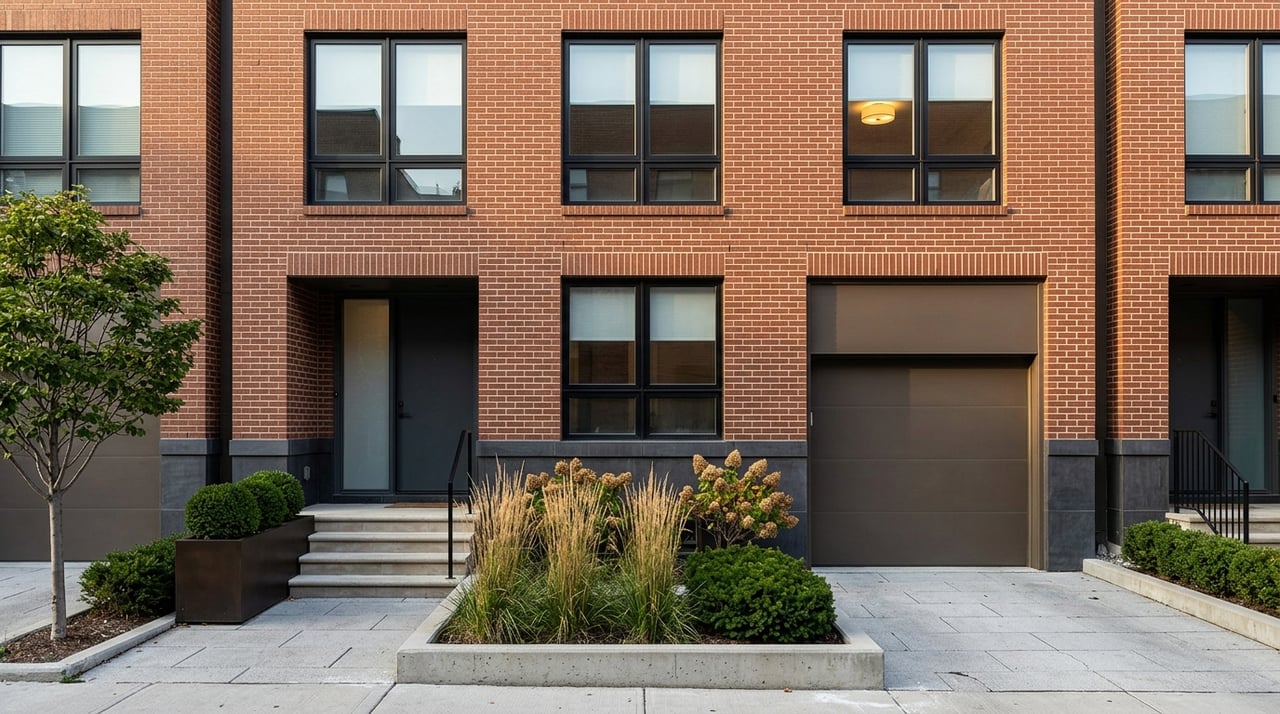
Parking is another major reason buyers choose townhomes. Many townhouse-style homes offer a more direct parking setup, such as an attached garage, while condo buildings more commonly involve shared garages or shared parking arrangements.
That said, South Loop also supports a car-light lifestyle for many residents. Roosevelt station serves the Red, Green, and Orange lines, and the Museum Campus/11th Street station serves the Metra Electric and South Shore Line.
This gives you an important lifestyle choice to think through. If a home comes with one garage space, that may be enough if you expect to use transit often, but it may feel limiting if your household needs more vehicle access.
When you evaluate a property, ask whether parking is deeded, leased, shared, or off-site. That detail can affect both convenience and future resale appeal.
Stairs, Layout, And Long-Term Fit
Townhomes often offer more square footage, but they also usually come with more stairs. That may not seem like a major issue during a showing, yet it can shape how comfortable the home feels over time.
Think about how you will use the layout every day. Laundry on a different level, multiple flights between living areas, or rooftop access can be a plus for some buyers and a drawback for others.
Try to picture your normal routine. Bringing in groceries, working from home, hosting guests, or planning for future needs can all feel different in a multi-level home than in a single-level condo.
A smart question to ask yourself is simple: does this layout match the way you want to live, not just the way the home looks online?
Who South Loop Townhomes Suit Best
South Loop townhomes often appeal to buyers who want more privacy and autonomy than a high-rise condo offers. They can also be a good fit if you want more square footage, private outdoor space, or a more direct parking setup without moving to a detached house.
They may be especially attractive if you already enjoy city living and want to stay near downtown destinations. Instead of leaving the urban core, you can shift into a home style that feels more residential.
At the same time, townhomes are not always the easiest or cheapest option. They often come with more responsibility, less shared amenity support, and ongoing association obligations that deserve close review.
The right fit comes down to your priorities. If you value privacy, layout, outdoor access, and a more house-like experience, South Loop townhome living may be worth a serious look.
A purchase like this is easier when you have a local advisor who understands how Chicago micro-markets, association documents, and property details come together. If you want help comparing South Loop townhomes, reviewing what matters most, or narrowing down your next move, connect with Nickola Wells to schedule a consultation.
FAQs
What is different about a South Loop townhome compared with a South Loop condo?
- A South Loop townhome usually offers multiple levels, a dedicated entrance, more privacy, and often some form of private outdoor space or direct parking, while a condo more often relies on shared hallways, amenities, and common outdoor areas.
What should buyers review before purchasing a South Loop townhome?
- Buyers should review the declaration, bylaws or other governing documents, rules and regulations, statements of liens or unpaid assessments, and any information about reserves, capital projects, or possible special assessments.
Are South Loop townhomes usually part of an association?
- Yes, many South Loop townhomes are part of a common interest community or similar association structure, which means dues, shared expenses, and community rules are an important part of ownership.
How do landmark rules affect South Loop rowhome buyers?
- If a rowhome is in a landmark district, exterior work that affects visible historical or architectural features may be subject to city review, which can affect future renovation plans.
Why does parking matter when buying a South Loop townhome?
- Parking terms can vary widely, so buyers should confirm whether parking is deeded, leased, shared, or off-site and weigh that against South Loop’s strong transit access.
Are South Loop townhomes a good fit for buyers who want more space?
- They can be, especially if you want more square footage and a more house-like layout, but you should also be comfortable with stairs, association obligations, and potentially fewer shared amenities than a high-rise building.