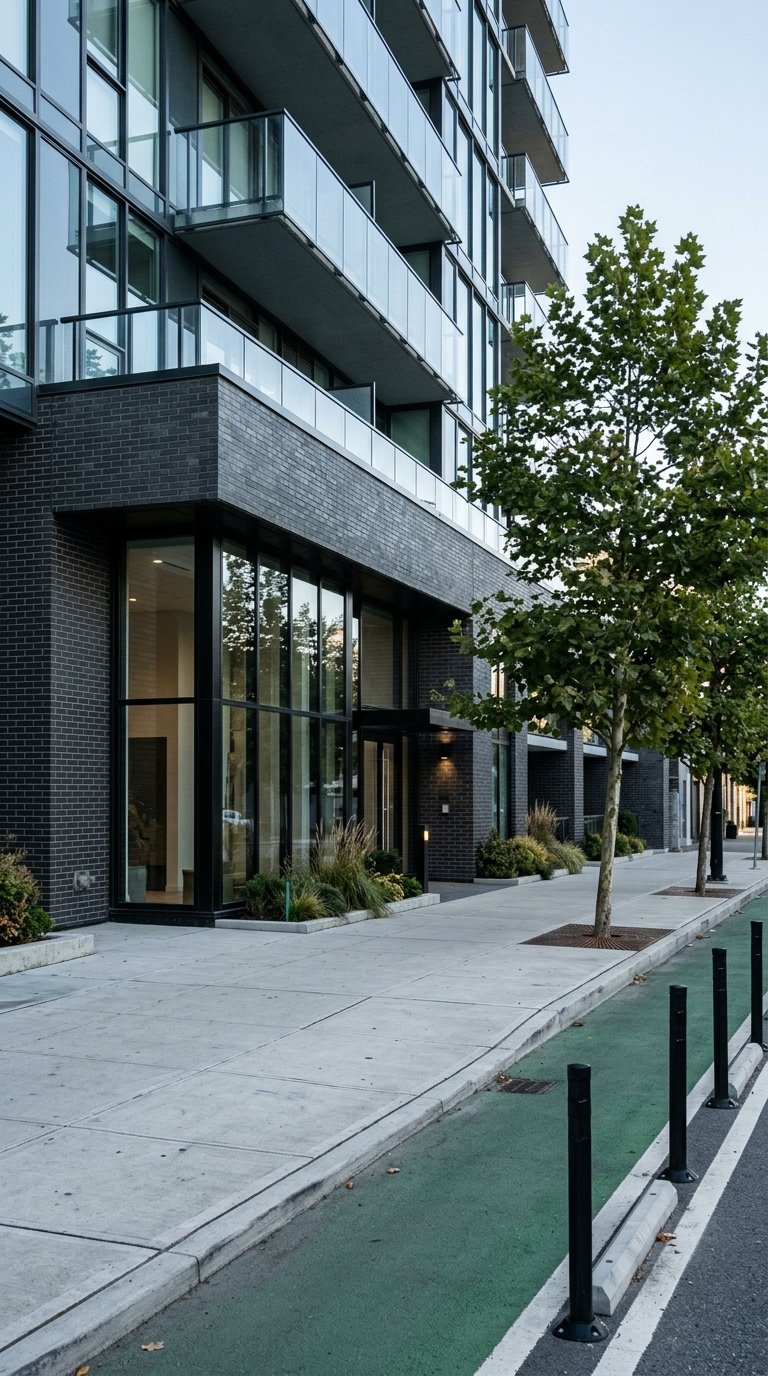
Want to live in Chicago without the cost, hassle, and constant logistics of owning a car? In the West Loop, that idea is more realistic than it is in most neighborhoods. If you are weighing a move here, this guide will help you understand how daily life works, what tradeoffs to expect, and when a car-free setup actually makes financial sense. Let’s dive in.
Why West Loop Fits Car-Light Living
The West Loop has the right mix of density, convenience, and transit access to support a car-light lifestyle. Located just west of the Loop in the Near West Side, it has grown from an old warehouse district into a neighborhood with condos, apartments, restaurants, and everyday services close together.
That compact layout matters. The West Loop Community Organization highlights the area’s walkability, broad business mix, closeness to downtown, and riverfront location. Redfin ranks West Loop as Chicago’s second-most walkable neighborhood with a Walk Score of 96, which helps explain why so many residents can handle daily routines on foot.
You are not just walking past offices or nightlife here. Many residential blocks sit close to bakeries, delis, butchers, galleries, and other day-to-day destinations. That makes the neighborhood feel practical, not just trendy.
Walkability Shapes Daily Life
One of the biggest benefits of West Loop living is how much of your week can happen within a few blocks. When errands, coffee runs, casual dinners, and train stops are all nearby, a car becomes less of a necessity and more of an occasional convenience.
Dining is a major part of that equation. WTTW notes that Randolph Street between Ogden and Halsted became Restaurant Row, and Choose Chicago says the West Loop also includes Greektown, known for restaurants, bakeries, and delis. For residents, that means everyday options are built into the neighborhood fabric.
This does not mean every trip is walkable for every person or every schedule. But if your routine centers on work downtown, local errands, and social plans nearby, the West Loop gives you a strong foundation for going car-light.
CTA Access Makes Commuting Easier
Transit is the real backbone of living without a car in the West Loop. The neighborhood is served by the Clinton, Morgan, and Ashland Green and Pink Line stops, giving you multiple entry points instead of relying on just one station.
That flexibility can make a big difference in daily life. CTA information for Morgan shows accessible service and live arrivals, while the Pink Line information shows Clinton as a transfer point to the Green Line and to Metra UP lines at Ogilvie. Quincy also connects to Union Station, placing the neighborhood close to Chicago’s main downtown rail hubs.
In practical terms, that means you can often get to work, appointments, or regional rail without needing to drive first. If you commute into the Loop or connect to other parts of the city, that kind of rail access can replace a large share of weekly driving.
Useful Bus Routes in West Loop
Rail does a lot of the heavy lifting, but bus service helps fill in the gaps. CTA route information shows that the 8 Halsted, 20 Madison, and 126 Jackson all serve the area.
Those routes matter because they give you more east-west and crosstown options when the train is not the best fit. Route 20 runs between Austin and Michigan, and the 126 includes stops like Jackson and Clinton, Jackson and Halsted, Jackson and Desplaines, Van Buren and Halsted, and Van Buren and Morgan.
If you are comparing neighborhoods, this is an important detail. Car-free living tends to work best when you have more than one transit mode nearby, and West Loop checks that box.
Transit Costs Are Hard to Ignore
Owning a car in Chicago is not just about the car payment. It is also about parking, insurance, fuel, maintenance, and the cost of using valuable space in your budget for something you may not use every day.
CTA fares are relatively low by comparison. Current CTA fare information lists bus fares at $2.25, rail fares at $2.50, and free transfers for up to two additional CTA rides within two hours. The CTA also lists 1-day passes at $5 and 3-day passes at $15.
If you mostly move around the West Loop, downtown, and nearby neighborhoods, those numbers can make transit a much leaner monthly choice than keeping a car. The math gets even more compelling when parking is an added housing expense.
Biking Adds Another Layer of Flexibility
Even if you do not want to bike every day, it helps to have the option. In the West Loop, biking can work well for short trips, station access, and errands that are a little too far to walk comfortably.
Chicago Complete Streets bike-map materials identify West Loop corridors such as Randolph and Desplaines within the city’s protected and buffered bike-lane network. The bigger takeaway is not that every street feels the same, but that the downtown grid gives you a practical backup to walking and transit.
That can be useful when your trip is time-sensitive or when you want a faster way to connect between the neighborhood and nearby destinations. For many residents, biking is not the main mode of travel. It is the mode that keeps a car unnecessary.
Divvy Helps With Last-Mile Trips
Bike-share makes the car-light setup easier to maintain. The City of Chicago’s current Divvy station dataset lists 1,159 in-service stations citywide, which shows how broad the system is.
For you, that means more flexibility for short errands, quick connections, and one-way rides when walking feels too slow. It is especially helpful on days when you do not want to plan around a full transit trip.
A neighborhood becomes easier to live in without a car when small transportation gaps are easy to solve. Divvy helps close those gaps.
The Real Tradeoff Is Parking Cost
The biggest argument for skipping a car in the West Loop is not just convenience. It is cost. Parking in this area can become a significant monthly expense very quickly.
ParkChicago lists West Loop hourly parking at $4.75, which matches the Central Business District rate. That means even short curbside stays can add up fast.
Some streets also fall within residential permit zones. According to the Chicago City Clerk, drivers in those posted areas need a matching sticker or daily permit. The current zone parking rules note that adding zone parking to a sticker costs $30 per year, while daily permits are sold in sheets of 15 for $8, with a 45-permit-per-household cap over 30 days.
Then there is building parking. In building-specific examples from the area, The Lydian lists parking at $350 to $375, and AMLI West Loop lists optional EV parking at $450. These are not neighborhood-wide averages, but they show how parking can materially change your housing budget.
When a Car Still Makes Sense
A car-free or car-light lifestyle is not the right fit for everyone. If you regularly drive to the suburbs, have a work schedule that transit does not support well, or strongly prefer the predictability of having your own vehicle, paying for parking may still be worth it.
That is especially true if you use the car often enough to justify the cost. Guaranteed parking can be valuable when convenience matters more to you than monthly savings.
The key is to be honest about your habits. If your car is mostly for occasional weekend trips or infrequent errands, the combination of CTA fares, walkability, and bike-share may be the more efficient setup.
West Loop Is Best Described as Car-Light
The most accurate way to think about the West Loop is not universally car-free. It is car-light. This neighborhood offers one of Chicago’s strongest combinations of walkability, transit access, and everyday convenience, but your experience will still depend on your routine and building choice.
If you are renting or buying here, compare the monthly cost of parking against how often you realistically leave the neighborhood. That simple budget exercise can clarify whether a parking space is a must-have or an expense you can skip.
For many buyers and renters, that answer affects more than transportation. It can also shape what monthly payment feels comfortable, which buildings make sense, and how you define value in the West Loop.
If you are comparing West Loop condos or rentals and want help weighing walkability, transit access, and the true monthly cost of parking, Nickola Wells can help you narrow your options and make a confident move.
FAQs
Is West Loop Chicago good for living without a car?
- Yes. West Loop is one of Chicago’s strongest neighborhoods for car-light living because it combines a Walk Score of 96, strong CTA rail access, bus service, and broad nearby dining and retail options.
What CTA train lines serve West Loop Chicago?
- The West Loop is served by the Green and Pink Lines, including stops at Clinton, Morgan, and Ashland.
Are there buses that make West Loop easier without a car?
- Yes. CTA routes 8 Halsted, 20 Madison, and 126 Jackson serve the area and provide useful crosstown and east-west connections.
Is parking expensive in West Loop Chicago?
- Yes. ParkChicago lists West Loop hourly parking at $4.75, and some buildings in the area list monthly parking from about $350 to $450.
Does West Loop Chicago have bike options for daily errands?
- Yes. West Loop has access to protected and buffered bike-lane corridors, and Chicago’s Divvy system has broad citywide coverage for short trips and last-mile travel.
Should you pay for parking when living in West Loop Chicago?
- It depends on how often you drive. If you use a car frequently, a parking space may be worth the cost. If you mainly stay local and only take occasional trips, transit, walking, and bike-share may be the more cost-effective choice.