Thinking about buying a two-flat, three-flat, or four-flat in Avondale? You are looking at one of Chicago’s clearest starter multi-unit markets, but the opportunity only works when you match the building, the rent potential, and your monthly costs. If you want to house hack, build long-term equity, or simply make a smarter first move in Chicago real estate, this guide will help you focus on what matters most. Let’s dive in.
Why Avondale Fits Small Multi-Units
Avondale stands out because small multi-unit housing is not a niche product here. In 2023, 58.5% of the neighborhood’s housing units were in 2-to-4-unit buildings, compared with 28.1% citywide. The 2024 profile still showed 53.3% in that category, which tells you this is a lasting pattern, not a one-year blip.
That matters if you want a classic Chicago house-hack setup. In Avondale, you are shopping in a neighborhood where two-flats and similar low-rise buildings are part of the normal housing stock. That can give you more chances to find a property type that matches your plan.
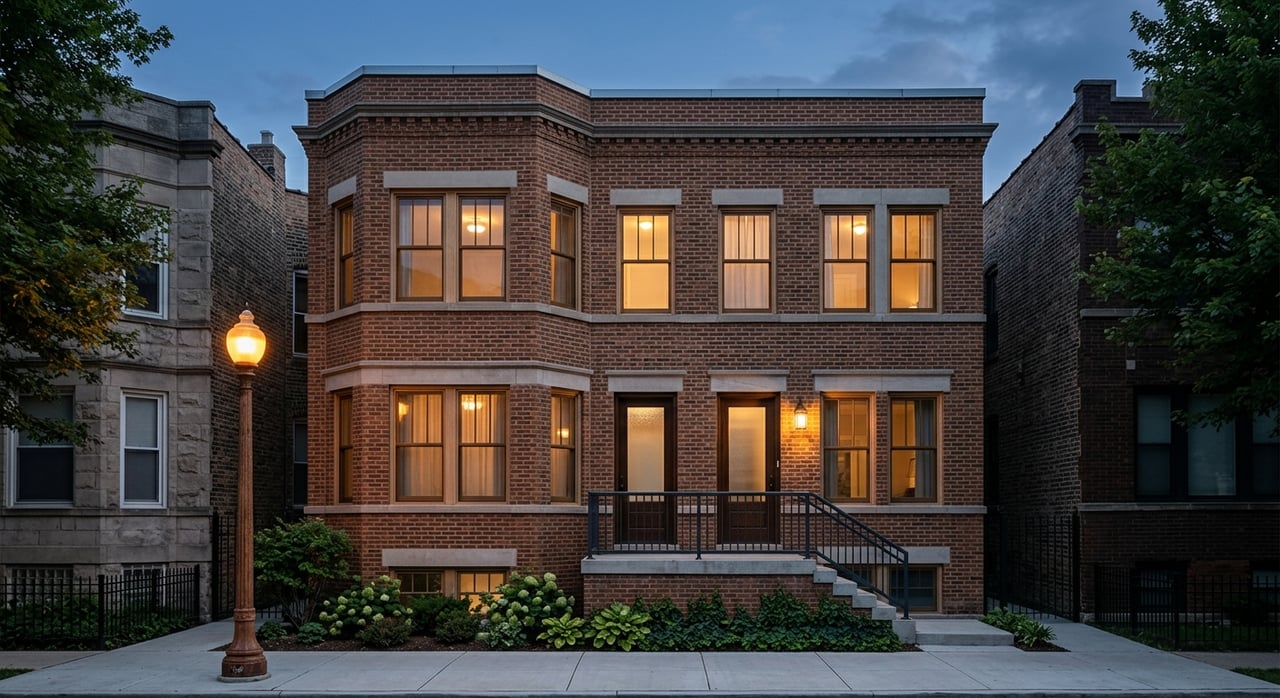
The area’s building mix also supports that strategy. Local neighborhood architecture profiles describe Avondale as a place of low-rise housing, including two-flats, bungalows, and workers cottages. If your goal is a practical owner-occupied multi-unit rather than a large apartment building, Avondale lines up well.
What the Housing Stock Means for Buyers
When you buy a small multi-unit in Avondale, you are usually buying an older building. The median year built was 1941, and 55.3% of units were built in 1939 or earlier. That makes inspections and repair planning especially important.
At the same time, this is not a neighborhood full of high-rise inventory. Only 1.7% of units were in buildings with 50 or more units. Most of the housing is lower-scale, and that is part of why Avondale remains appealing for buyers looking at 2-to-4-unit properties.
Occupancy is also strong. In 2023, Avondale had 15,991 housing units, with 92.3% occupied and 7.7% vacant. That does not guarantee rental success for every property, but it does suggest an active, lived-in neighborhood with consistent housing demand.
Pricing Reality in Avondale
A small multi-unit purchase needs to work on paper, not just in theory. Recent local loan data for 1-to-4-unit purchases showed a median purchase price of $475,000 and a median loan amount of $415,000. That gap works out to about $60,000, or 12.6% of the purchase price, as a rough down payment proxy.
That same data showed a median borrower income of $142,000. For many buyers, that is a useful reminder that even a house-hack-friendly market still requires real financial preparation. A multi-unit can offset your costs, but it does not remove the need for strong underwriting.
Market activity has also remained steady. In 2024, there were 306 residential sales in Avondale, including 99 sales of 2-to-4-unit buildings. That level of activity supports the idea that buyers are still actively pursuing this property type.
Rent Expectations Need to Be Grounded
One of the biggest mistakes buyers make is assuming the future rent will solve every affordability challenge. In Avondale, the median gross rent was $1,585 in the 2019 to 2023 ACS data. The largest rent band was $1,500 to $1,999, representing 31.5% of renter households.
Another 21.6% paid between $1,250 and $1,499, and 14.8% paid between $2,000 and $2,499. Combined, 53.1% of renter households paid between $1,250 and $1,999. That gives you a solid neighborhood frame, but it should not replace true building-specific rent comps.
There is also a useful ZIP-code benchmark to keep in mind. For ZIP 60618, the FY2026 small-area fair market rent figures were $1,770 for a one-bedroom, $1,990 for a two-bedroom, $2,560 for a three-bedroom, and $2,960 for a four-bedroom. These are best used as reference points, not target rents for your property.
Why Unit Size Matters
Avondale’s renter base supports the kind of layouts often found in small multi-units. About 32.4% of renter households were one-person households, and 35.1% were two-person households. Together, that means 67.5% of renter households were made up of one or two people.
For you as a buyer, that can matter when reviewing floor plans and unit mix. A building with practical one-bedroom and two-bedroom layouts may align well with neighborhood demand. You do not need to assume every renter is looking for the biggest unit possible.
The renter base is also sizable. Avondale had 8,508 renter-occupied households compared with 6,255 owner-occupied households. For an owner-occupant buying a small building, that helps support the case for ongoing rental demand.
House Hacking in Avondale
Avondale is often a strong fit for house hacking because the neighborhood combines classic 2-to-4-unit buildings with renter demand and solid transit access. But the key phrase is if the numbers work. You should treat rental income as part of a careful plan, not as a shortcut.
A useful local reality check is the gap between ownership costs and rents. The median monthly owner cost with a mortgage was $2,760, while the median gross rent was $1,585. That difference of $1,175 shows why optimistic math can get buyers in trouble.
Your monthly budget should account for more than the mortgage. Local owner-cost figures include property taxes, insurance, utilities, mortgage costs, and HOA fees when applicable. If you are counting on rent from the other unit or units, build in reserves and give yourself room for repairs, turnover, and changes in tax costs.
Transit Access Supports Demand
Transit is part of Avondale’s appeal for both owner-occupants and renters. The CTA Blue Line provides 24-hour service between O’Hare and Forest Park through downtown. That kind of service can be a meaningful advantage when you are comparing neighborhoods for a small multi-unit purchase.
The nearby Irving Park station also connects to CTA buses #53, #54A, #80, and #X98, along with Metra UP-NW. For many renters, convenient rail and bus access can be an important part of the housing decision. For you, that can support a broader renter pool when the unit, price, and condition are right.
Older Buildings Need Deeper Diligence
Because so much of Avondale’s housing stock is prewar, you should expect older-system due diligence. More than half of units were built in 1939 or earlier, so it is wise to review the building with that in mind from day one. An attractive price does not mean the property is truly affordable.
As you evaluate a building, pay close attention to the age and condition of major systems and the overall repair history. A small multi-unit can be a smart first purchase, but only if you understand what the building may need after closing. In older Chicago properties, surprises tend to be expensive.
This is one reason local experience matters. A buyer looking at small multi-units in Avondale benefits from guidance that goes beyond list price and bedroom count. You want a clear view of how the property could perform in real life.
Property Taxes Deserve Extra Attention
In Cook County, reassessment happens on a triennial cycle. The Assessor’s office notes that reassessment notices include the updated estimated market value, property characteristics, and the deadline to file an appeal. That means tax history and future reassessment risk should be part of your underwriting before you buy.
This is especially important when you are stretching to make a house-hack purchase work. If your payment feels manageable only under today’s tax number, that is a sign to slow down and test your budget more carefully. Taxes are not a side issue in a Chicago-area multi-unit purchase.
Chicago Rental Rules and Owner-Occupants
If you plan to live in one unit and rent out the others, Chicago’s rental rules matter. The city’s Residential Landlord and Tenant Ordinance generally applies to residential rental units, but owner-occupied premises with six units or fewer are excluded from the ordinance, subject to certain remaining provisions. For buyers considering a two-flat, three-flat, or four-flat, that is a relevant detail.
You should still understand your responsibilities as an owner-occupant landlord and review how the rules apply to your specific property and setup. The key point is that your occupancy strategy is not just a financing issue. It can also affect how local rental rules apply.
A Smart Buying Framework
If you are serious about buying a small multi-unit in Avondale, keep your search focused on a few practical questions.
- Does the unit count fit your owner-occupancy plan?
- Are the in-place rents or realistic rent comps supported by neighborhood data?
- Do the monthly numbers still work after taxes, insurance, utilities, and reserves?
- Has the building’s age and condition been evaluated carefully?
- Does the location offer the transit access and layout that renters are likely to value?
That kind of framework helps you avoid buying based on hype. Avondale offers real opportunity, but the best results usually come from patient analysis and clear expectations.
If you want a steady, informed approach to buying a two-flat, three-flat, or four-flat in Chicago, local guidance can make the process much easier. Nickola Wells can help you evaluate Avondale opportunities with a practical eye on numbers, property condition, and long-term fit.
FAQs
What makes Avondale a good place to buy a small multi-unit?
- Avondale has a much higher share of 2-to-4-unit housing than Chicago overall, with 58.5% of housing units in that category in 2023, making it a strong fit for buyers targeting classic small multifamily properties.
What is the typical price point for a 2-to-4-unit property in Avondale?
- Local 1-to-4-unit purchase loan data showed a median purchase price of $475,000 and a median loan amount of $415,000, which offers a useful benchmark for budgeting.
Are Avondale rents strong enough for house hacking?
- Avondale can support house hacking, but the math needs to be realistic because the median gross rent was $1,585 while median monthly owner cost with a mortgage was $2,760.
What kinds of renters are common in Avondale?
- The neighborhood has many smaller renter households, with 32.4% made up of one person and 35.1% made up of two people, which can support demand for one-bedroom and two-bedroom units.
What should buyers watch for in older Avondale buildings?
- Since the median year built was 1941 and 55.3% of units were built in 1939 or earlier, buyers should pay close attention to building condition, repair history, and older systems during due diligence.
How do property taxes affect buying a multi-unit in Avondale?
- Cook County reassesses property on a triennial cycle, so buyers should review tax history and consider post-purchase reassessment risk as part of their budget planning.
Does Chicago’s RLTO apply to an owner-occupied small multi-unit?
- Chicago’s RLTO generally applies to residential rentals, but owner-occupied buildings with six units or fewer are excluded from the ordinance, subject to certain remaining provisions, which can be relevant for house hackers.