Looking for a Chicago neighborhood where daily life feels active, creative, and easy to navigate? Along 18th Street in Pilsen, that mix shows up in simple, everyday ways: grabbing coffee, picking up food, walking past murals, catching the Pink Line, or spending time in a nearby park. If you are trying to understand what it actually feels like to live near this corridor, this guide will help you picture the rhythm of the area and what that can mean as you search for a home. Let’s dive in.
18th Street Shapes Daily Life in Pilsen
18th Street is the clearest everyday hub in Pilsen. Chicago tourism materials describe it as the neighborhood’s bustling commercial district, and the nearby arts corridor around South Halsted and 18th Street adds lofts, studios, galleries, retail spaces, and public art to that identity.
That matters if you are home shopping with lifestyle in mind. Instead of needing to imagine where activity happens, you can see that much of the neighborhood’s daily energy is centered right here.
Everyday errands meet local character
One of the biggest draws of 18th Street is how practical it feels without losing personality. The corridor includes coffee shops, panaderías, taco spots, bookstores, record shops, and even a tortilla factory, according to Choose Chicago’s neighborhood materials.
That mix gives the street a useful, lived-in rhythm. You are not just visiting a dining district. You are looking at a place where food, errands, and routine stops are part of the neighborhood fabric.
Coffee, food, and casual stops
Choose Chicago highlights several Latino-owned coffee shops in Pilsen, including Cafe Jumping Bean, Anticonquista Cafe, and A Cup of Joe. These spots help explain why the area feels active throughout the day, not just at lunch or late at night.
For buyers who want a neighborhood with street-level activity, this kind of commercial pattern can be a real plus. It supports a more walkable routine and gives the area a strong sense of place.
Art Is Part of the Routine
In some neighborhoods, art is something you seek out once in a while. Along 18th Street in Pilsen, it is woven into ordinary life.
The Chicago Arts District describes a seven-block stretch filled with artist lofts, studios, galleries, retail spaces, and creative workspaces. Regular Second Fridays open-studio nights also make the arts scene feel ongoing rather than occasional.
A visible creative corridor
This creative presence shapes how the street feels block by block. Murals, gallery spaces, and adaptive reuse buildings give parts of the corridor a distinct visual identity that stands out from more uniform commercial strips.
Pilsen Arts & Community House adds to that with exhibitions, classes, mentorship, and community programming from its 18th Street location. For residents, that means arts and culture are not only for special events. They are part of the neighborhood’s normal rhythm.
Museum and nightlife anchors
The National Museum of Mexican Art has been in Pilsen since 1987 and offers free admission every day in Harrison Park. That gives the neighborhood a major cultural anchor near the corridor and adds another everyday amenity for residents.
Thalia Hall is another important destination along 18th Street, with a concert venue and adjoining restaurant and bar uses. Together, these anchors help create a street that stays relevant from daytime coffee runs to evening plans.
Parks and Public Life Near 18th Street
Life along 18th Street is not only about storefronts and arts spaces. Nearby parks also play a big role in how the neighborhood functions through the year.
Harrison Park and Dvorak Park are the two main green-space anchors near the corridor. Both provide recreation space, facilities, and programming that support daily use as well as larger community events.
Harrison Park offers year-round amenities
Harrison Park totals 18.58 acres and includes a gymnastics center, indoor pool, gymnasium, playground, courts, fields, and community programming. It also hosts after-school programs, day camps, Movies in the Park, and holiday activities.
For someone considering a move to the area, that means outdoor and indoor recreation are close at hand. The park adds another layer to daily life beyond restaurants and retail.
Dvorak Park adds events and activity
Dvorak Park totals 6.56 acres and includes an auditorium, two gymnasiums, an art room, a pool, playgrounds, athletic fields, and picnic space. It also hosts events such as Mexican Independence Day, Fiesta Del Sol, Día de los Muertos, and other community gatherings.
These parks help explain why public life in Pilsen feels visible. The neighborhood calendar is not limited to one season or one type of activity.
Transit and Walkability Support a Car-Light Lifestyle
If you value neighborhoods where you can rely less on a car, 18th Street has a lot going for it. The CTA’s 18th Street Pink Line station sits at 1710 W. 18th Street and provides accessible transit access, indoor bike parking, and CTA bus connections.
The station itself also reflects neighborhood identity. CTA notes that its murals were created to tell local stories and celebrate Mexican heritage, which reinforces how closely transit and place are connected here.
What the data suggests about mobility
Neighborhood-scale data from CMAP’s Lower West Side snapshot supports the area’s transit-oriented feel. In 2019 through 2023 estimates, 22.9% of workers commuted by transit, 6.1% walked or biked, and 25.9% of households had no vehicle available.
The same snapshot reports a mean commute time of 29.4 minutes. For buyers, that helps paint a picture of a neighborhood where transit, walking, and biking are practical parts of daily life.
What Homes Near 18th Street Often Look Like
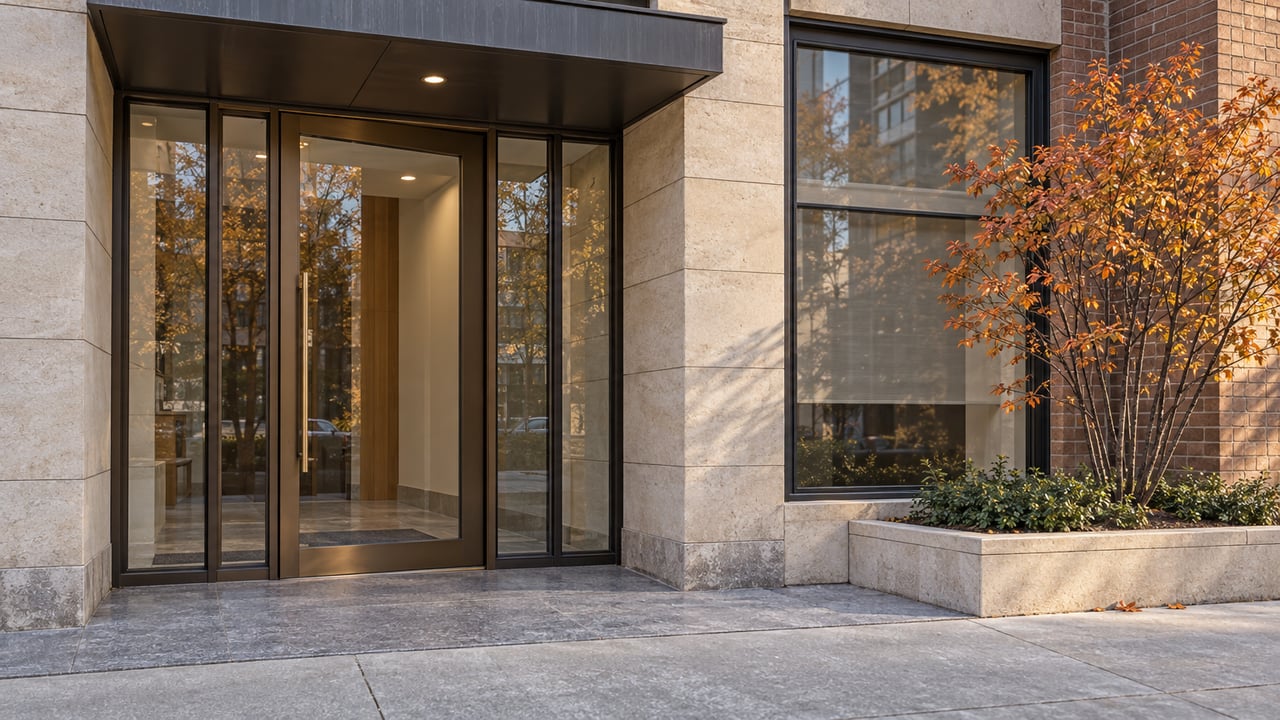
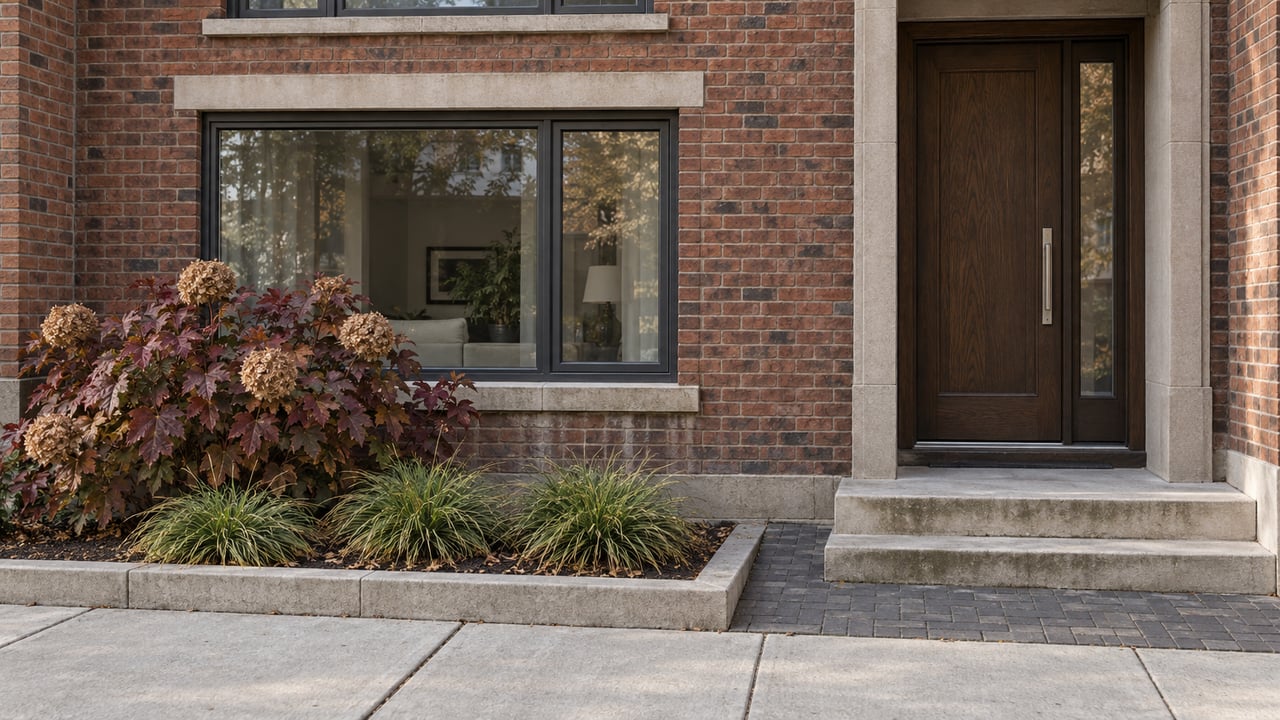
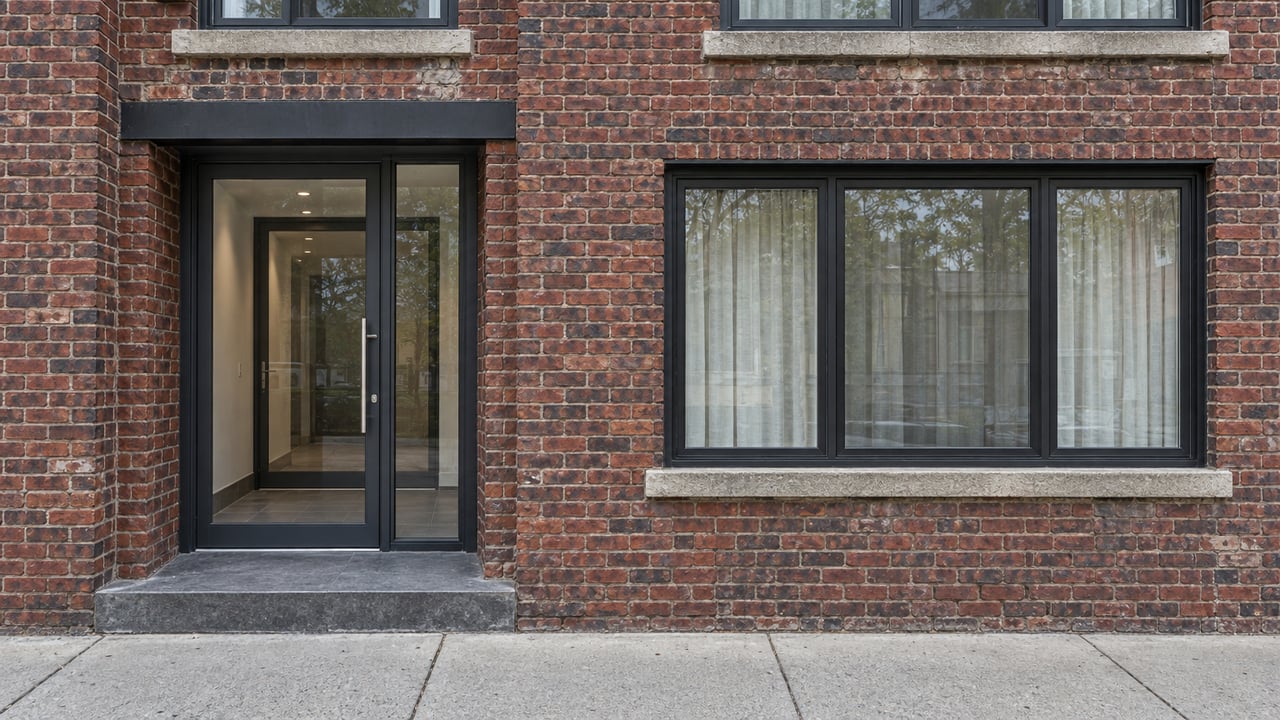
Understanding everyday life also means understanding the built environment. Near 18th Street, the housing stock is shaped more by older low- and mid-rise buildings than by large towers.
According to the Lower West Side profile, 21.3% of units are in 2-unit buildings, 33.5% are in 3- or 4-unit buildings, and 19.3% are in 5- to 9-unit buildings. The same data shows that 58.5% of homes were built before 1940.
Older buildings define the streetscape
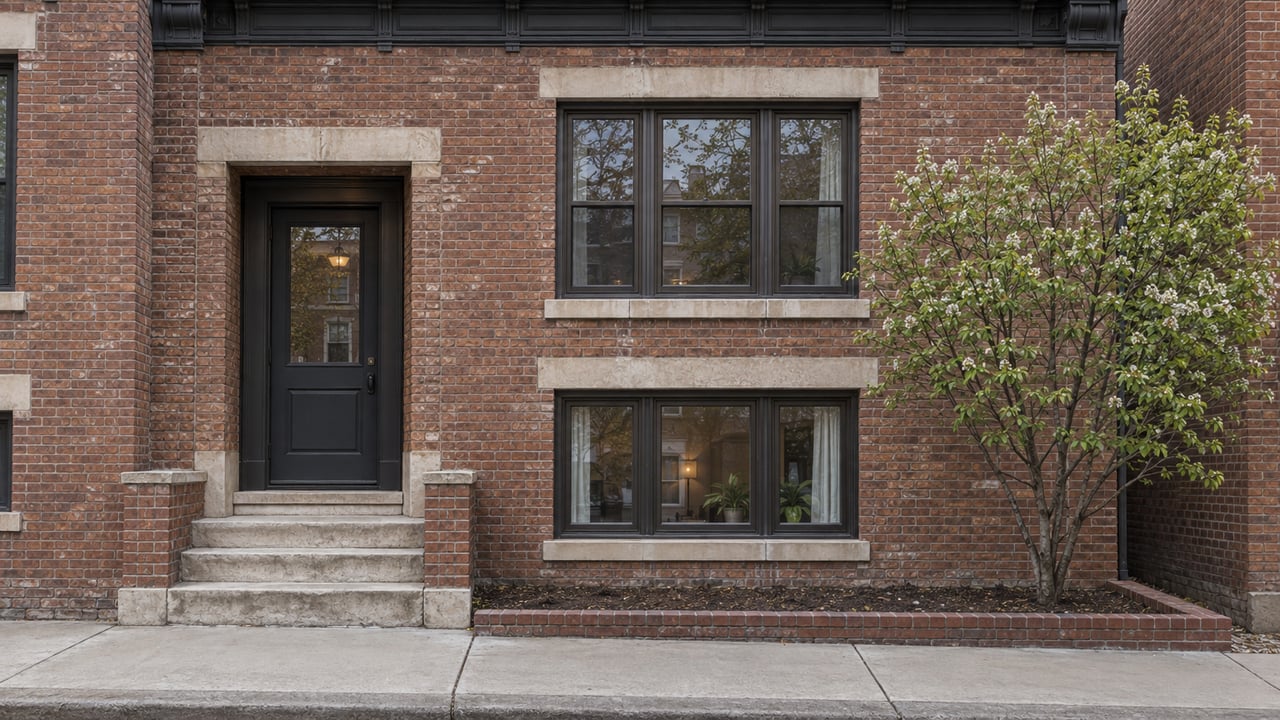
That older building mix helps explain the feel of many residential blocks near the corridor. Chicago Landmarks resources identify worker’s cottage and Italianate as common Lower West Side building types, which fits the neighborhood’s close-to-the-sidewalk, historic urban pattern.
If you are comparing Pilsen to parts of Chicago with newer high-rise inventory, this is an important distinction. The street experience here is shaped by older masonry buildings, smaller-scale structures, and a more traditional city layout.
Lofts and conversions are part of the mix
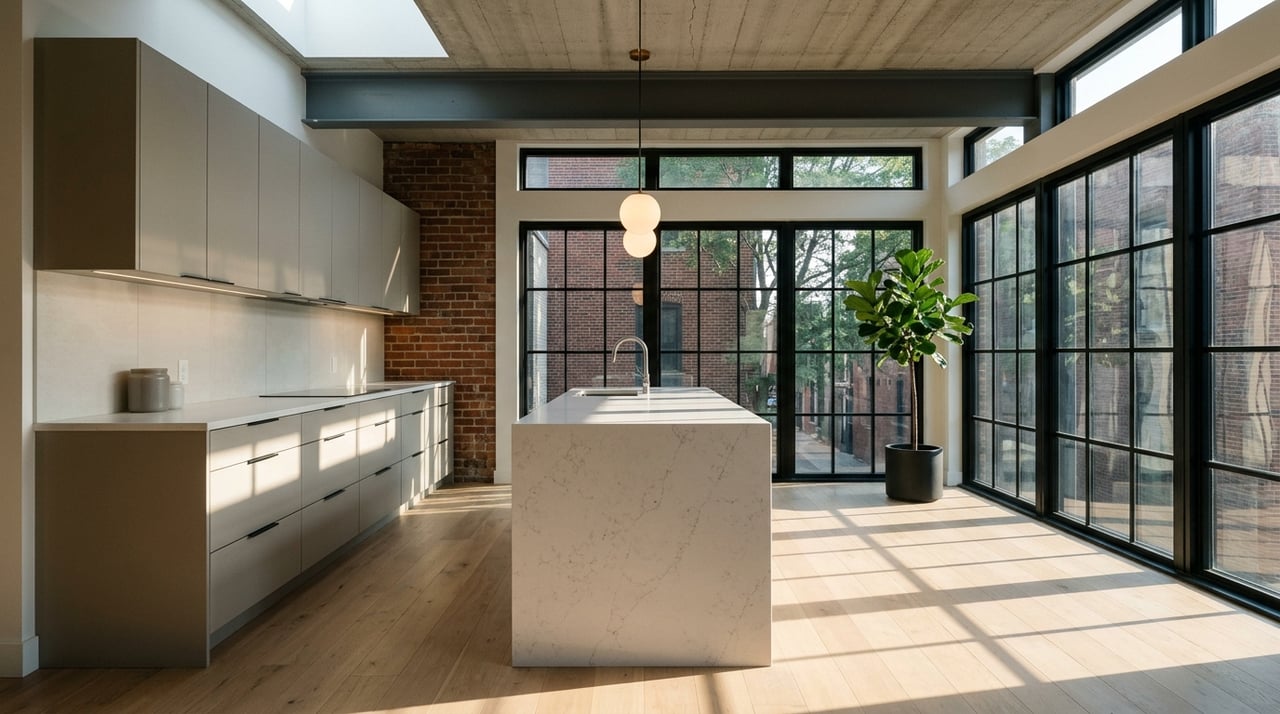
The eastern arts corridor also includes loft-style and live-work spaces. Choose Chicago describes the Chicago Arts District as a seven-block stretch of lofts, studios, retail spaces, and galleries, and current area marketing highlights artists’ work lofts, loft apartments, gallery space, and work-live residential lofts in Pilsen East.
That suggests loft inventory here is closely tied to adaptive reuse and creative-commercial buildings. It feels different from generic new-construction product because it grows out of the area’s industrial and artistic history.
What buyers may notice about ownership options
For buyers thinking about ownership, condo-style opportunities are likely to appear more often as boutique or conversion units within smaller buildings rather than in large towers. That is an inference based on the area’s building mix and loft stock.
You may also notice that the neighborhood has a strong renter presence. CMAP reports that 67.5% of occupied units are renter-occupied, which is useful context as you evaluate block-by-block housing patterns and inventory.
What It Feels Like to Live Nearby
One of the most important things to understand about 18th Street is the contrast between the main corridor and the surrounding residential streets. Near 18th and Halsted, restaurants, arts venues, museum access, and transit are concentrated in a lively, active stretch.
A few streets away, the environment can feel more residential and block-oriented, shaped by older flats, walk-ups, and small apartment buildings. For many buyers, that balance is part of the appeal.
A distinct urban lifestyle
If you value walkability, cultural presence, and a neighborhood with a clear identity, 18th Street in Pilsen offers a very specific urban profile. Coffee and food spots sit at street level, murals and galleries are part of the view, parks support year-round activity, and transit access is built into the routine.
That does not make it the right fit for every buyer, but it does make it easier to understand what you are choosing. When a neighborhood’s daily pattern is this visible, you can more confidently decide whether it matches the way you want to live.
If you are exploring homes in Chicago and want help thinking through how a neighborhood fits your lifestyle, property goals, or long-term plans, Nickola Wells can help you navigate your options with clear, local guidance.
FAQs
What is everyday life like along 18th Street in Pilsen?
- Everyday life along 18th Street in Pilsen centers on coffee shops, food spots, local errands, galleries, murals, transit access, and nearby parks that keep the area active throughout the day.
What kinds of homes are common near 18th Street in Pilsen?
- Homes near 18th Street in Pilsen are commonly found in 2-unit, 3- or 4-unit, and small multi-unit buildings, with many properties built before 1940.
How walkable is the 18th Street area in Pilsen?
- The 18th Street area in Pilsen has a car-light feel supported by the Pink Line station, bus connections, indoor bike parking at the station, and a neighborhood pattern that supports walking for daily needs.
What parks are near 18th Street in Pilsen?
- Harrison Park and Dvorak Park are the main parks near 18th Street, offering pools, gyms, playgrounds, athletic space, programming, and seasonal community events.
Is art a major part of life near 18th Street in Pilsen?
- Yes. Art is part of everyday life near 18th Street through the Chicago Arts District, public murals, galleries, artist lofts, open-studio events, and programming at Pilsen Arts & Community House.
What should a buyer notice about living near 18th Street in Pilsen?
- A buyer should notice the contrast between the lively commercial corridor and the quieter nearby residential blocks, along with the area’s older building stock, transit access, and strong neighborhood identity.