Trying to choose between a sleek new condo and a character-filled loft in West Loop? You are not alone. In one of Chicago’s most active condo markets, that choice often comes down to more than just style. It is really about how you want to live, what costs you are comfortable carrying, and how the building may perform over time. This guide will help you compare new construction and conversions in West Loop so you can make a smarter, more confident decision. Let’s dive in.
West Loop condo market today
West Loop remains a high-demand condo market as of late May 2026. Redfin shows 104 condos for sale with a median listing price of $497,000, while its broader neighborhood snapshot reports a median sale price of $499,000 and a median sale price per square foot of $397. Realtor.com’s March 2026 snapshot shows a median listing price of $487,450, 185 homes for sale, and a 101% sale-to-list ratio.
Those numbers point to a market where buyers still need to be prepared and decisive. Homes are generally moving in about 35 days and receiving about one offer, according to Redfin. In practical terms, both new construction condos and conversion lofts are getting attention in West Loop, which means your best fit matters more than broad labels like “better” or “worse.”
New construction vs conversions
In West Loop, the choice is often new construction versus conversion, not modern versus outdated. The neighborhood is known for both design-forward residential development and former industrial buildings that have been adapted into loft living.
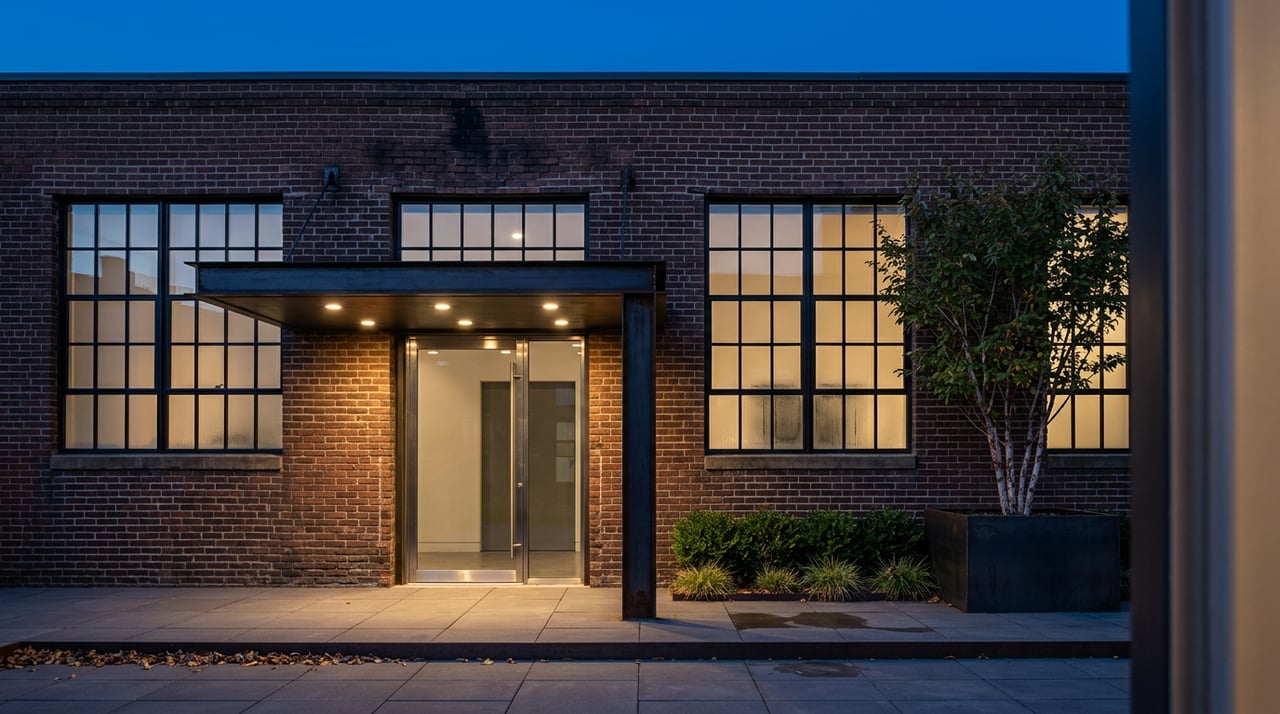
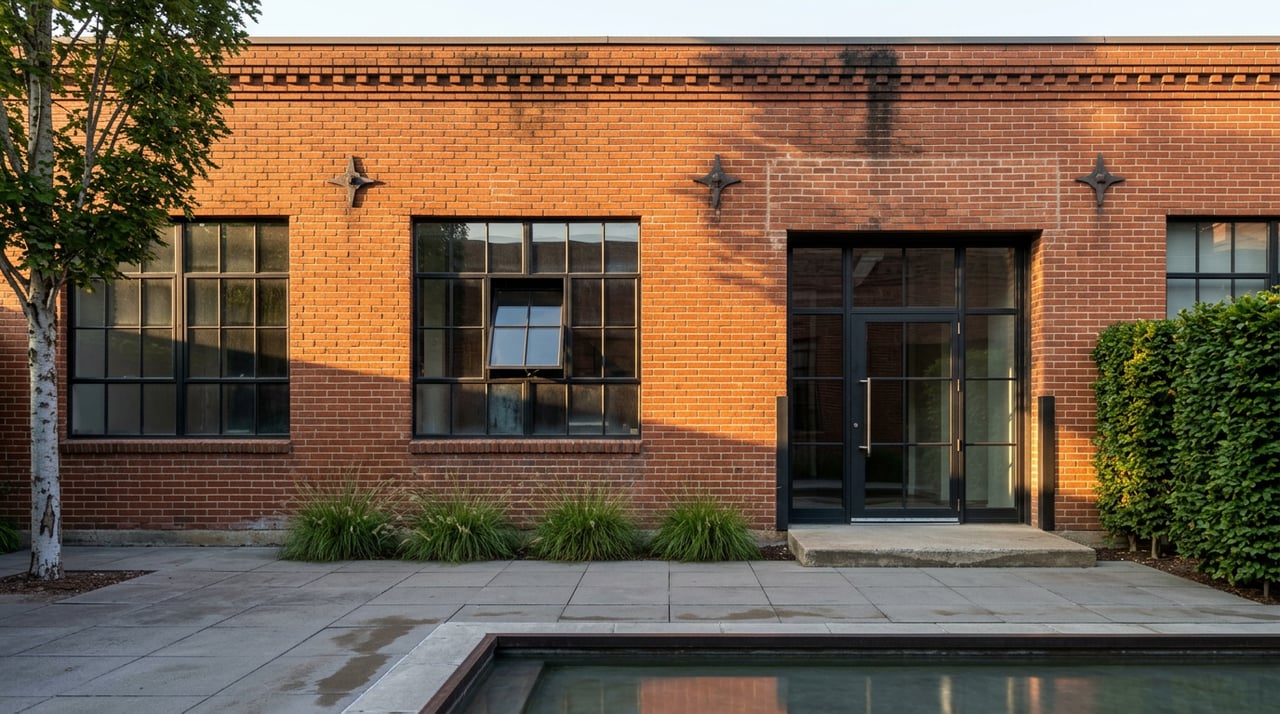
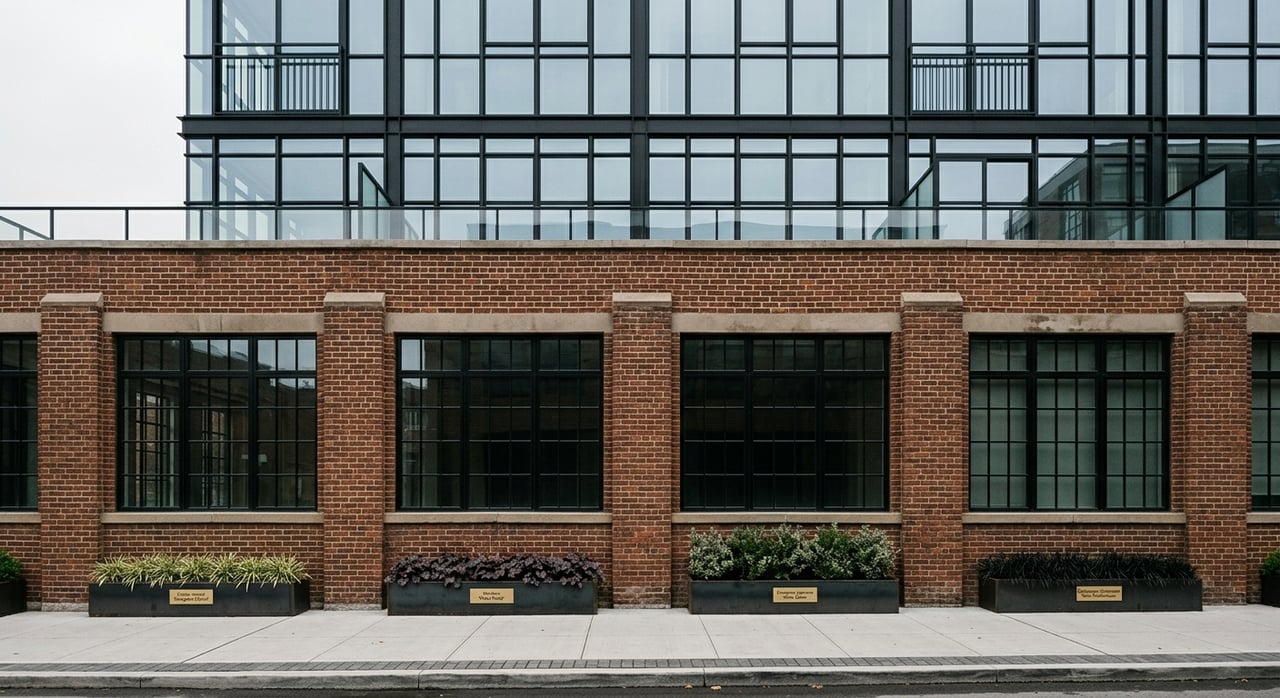
Preservation Chicago describes West Loop’s industrial loft stock as former masonry and timber or reinforced-concrete buildings with brick facades, large windows, tall ceilings, and low- to mid-rise massing. Many of these buildings have already been converted to residential or office lofts. That gives West Loop a built-in mix of old and new that is hard to replicate elsewhere in Chicago.
Why new construction appeals
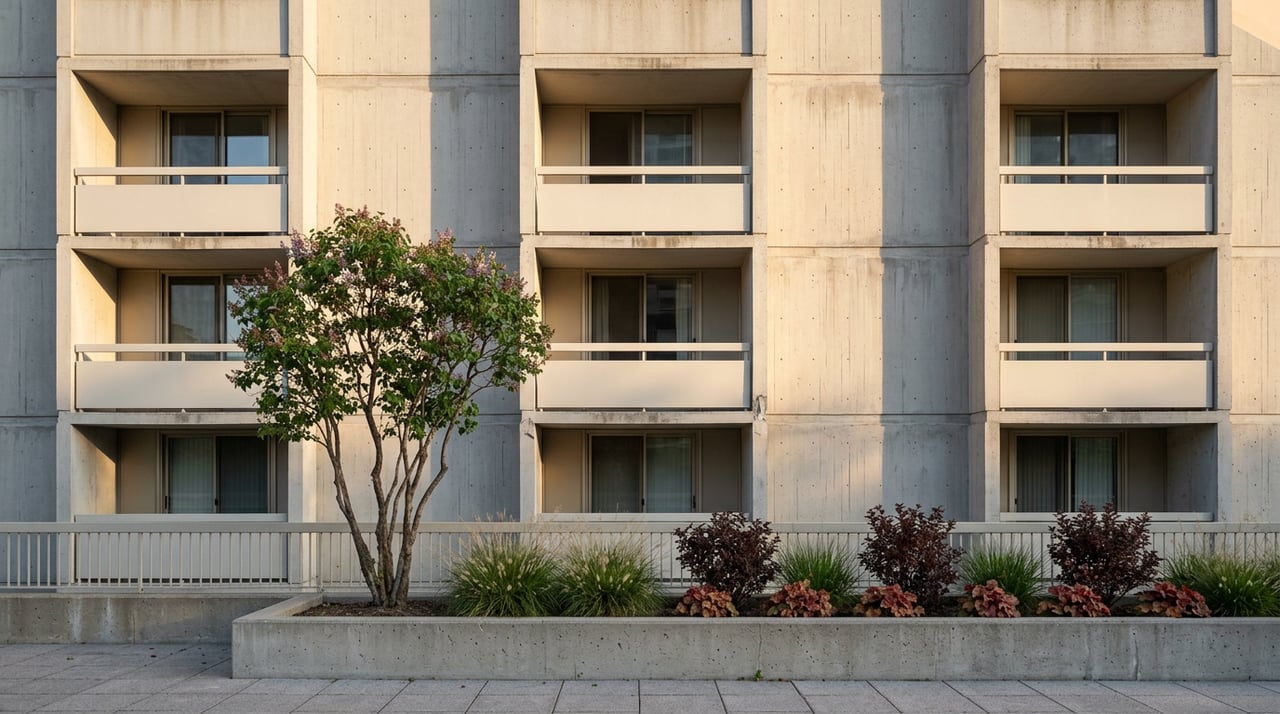
New construction condos in West Loop often attract buyers who want a more turnkey experience. The layouts, finishes, and amenities are usually designed as one unified package, which can make the decision process feel cleaner and easier.
A strong local example is Embry at 21 N. May, a 16-story, 58-unit condominium tower. LJC describes features such as column-free layouts, large private terraces, private elevator access, and amenities including indoor and outdoor fitness areas, a putting green, a dog run and spa, communal kitchen and dining areas, a lounge and games area, and a covered terrace.
That does not mean every new building offers the same features, but it reflects the current West Loop pattern well. Many newer projects here are boutique, design-led buildings rather than massive commodity towers. If you value contemporary finishes and a straightforward lifestyle package, new construction may feel like the easier fit.
What buyers often like about new construction
- Contemporary finishes and materials
- More standardized floor plans
- Amenities that are easy to compare at a glance
- A more unified design from lobby to unit interiors
- A move-in-ready feel with fewer visible legacy building elements
Why conversions stand out
If you want space with personality, West Loop conversions often deliver it in a way new construction cannot. The neighborhood’s loft buildings are tied closely to its industrial history, and many still preserve the structural features that make them memorable.
Preservation Chicago notes that classic Chicago industrial loft buildings often feature brick exteriors, heavy timber or reinforced concrete interiors, expansive windows, and ceilings that roughly range from 10 to 14 feet. Those details are now a major part of the draw for residential buyers.
Haberdasher Square Lofts is a useful example. Its building materials state that the property was once the Hart Schaffner and Marx clothing factory, later converted into condominium homes with exposed concrete columns, original timber beams, soaring windows and ceilings, terra cotta walls, and a still-operational freight elevator.
The building also has 24/7 door staff and a 226-unit association. That is a helpful reminder that older conversions are not always bare-bones buildings. Some offer strong day-to-day services, even if their amenity package looks different from a newer tower.
What buyers often like about conversions
- More architectural character
- Taller ceilings and larger windows
- Exposed brick, timber, or concrete details
- Layouts that can feel less cookie-cutter
- A stronger connection to West Loop’s industrial past
Layout and feel matter more than age
One of the biggest mistakes buyers make is assuming that newer automatically means better. In West Loop, the better choice is usually the one that fits your lifestyle, budget, and tolerance for tradeoffs.
New construction often feels more polished and predictable. Conversion lofts often feel more distinctive and expressive. If you work from home, entertain often, or care deeply about natural light and ceiling height, a conversion may win your attention quickly. If you want smoother finishes, newer shared spaces, and a more uniform package, new construction may feel easier to live in day to day.
HOA assessments deserve close attention
Monthly assessments are one of the most important parts of this comparison. Buyers sometimes assume older lofts will always have lower HOA dues, but that is not a safe assumption.
A current Redfin listing for a 2-bed, 2-bath loft at 1000 W Washington describes a brick-and-timber unit with 13-foot ceilings and exposed timber beams, with an $864 monthly HOA. That example shows why you should compare the actual monthly carrying cost of each building rather than relying on the age or style of the property.
Illinois law authorizes condo boards to levy and collect assessments, and unpaid assessments can become a lien. That makes the monthly number more than a budgeting detail. It is a real ownership obligation that should be reviewed carefully before you buy.
What HOA dues may reflect
- Building staffing and services
- Amenity upkeep
- Insurance and common-area expenses
- Maintenance of building systems
- Reserve contributions for future repairs
Reserve funds and special assessments
When you compare new construction and conversions, the health of the association matters just as much as the unit itself. Reserve funds are money set aside for future replacement of common property, while special assessments are one-time or added dues used for unexpected expenses not covered by regular maintenance fees.
That matters for both property types. A beautifully preserved loft can become more expensive than expected if reserves are thin and major repairs are coming. A newer building can also create concerns if the association is not well structured or if costs do not match the amenity load.
Fannie Mae’s condo-buying guidance tells buyers to review planned or existing special assessments, inadequate reserve funds, and long-term maintenance issues because they can affect both ownership cost and the building’s value over time. In short, a well-run older conversion can be more attractive than a newer building with weak finances, and the reverse is true too.
Financing can vary by project
Financing is another reason to compare buildings carefully instead of making assumptions. New and newly converted condo projects can face additional project-review and occupancy requirements before standard financing applies.
Fannie Mae’s appraisal guidance also says appraisers should pay close attention to the project’s amenities and the amount and purpose of the association assessment. For you as a buyer, that means the building itself can influence how smoothly financing comes together.
This is one reason local, building-level guidance matters in West Loop. Two condos at similar price points can have very different financing paths depending on the project structure, occupancy, and association profile.
Resale depends on more than style
It is easy to think resale value comes down to whether a unit looks modern or historic. In reality, resale appeal usually depends on a wider set of factors.
In West Loop, buyers often respond to both product types. New construction can resell well when the finishes still feel current and the HOA remains stable. Conversion lofts can also resell strongly when they offer the right mix of character, usable space, and healthy building finances.
That is why the smartest comparison is not “new wins” or “old wins.” It is whether the unit has a practical layout, a finish level that matches buyer expectations, monthly costs that make sense, and an association that appears responsibly managed.
How to choose in West Loop
If you are deciding between a new construction condo and a conversion loft, focus on the factors that shape your real-life ownership experience.
Choose new construction if you want
- A more turnkey presentation
- Contemporary finishes
- More predictable floor plans
- A cohesive amenity package
- A boutique tower feel common in today’s West Loop developments
Choose a conversion if you want
- Historic loft character
- Tall ceilings and oversized windows
- Exposed brick, timber, or concrete details
- A less standardized layout
- A home that reflects West Loop’s industrial roots
Compare both by asking
- What are the monthly assessments?
- How healthy are the reserves?
- Are there current or planned special assessments?
- What services and amenities are included?
- How does the layout actually function for your daily life?
- Are there any project-related financing considerations?
The best West Loop condo is the right fit
West Loop supports both new construction condos and conversion lofts because buyers want different things from the same neighborhood. Some want clean lines, private terraces, and a polished amenity package. Others want timber beams, brick walls, and ceiling heights that feel hard to find in newer buildings.
The key is to compare each option with clear eyes. Look at layout, finish level, amenities, monthly carrying costs, and association health before you decide. If you do that, you will be far more likely to choose a condo that works for you now and holds up well over time.
If you want experienced, neighborhood-level guidance as you compare West Loop condos, connect with Nickola Wells for a consultation.
FAQs
What is the main difference between new construction and conversions in West Loop condos?
- New construction usually offers a more turnkey, standardized experience with contemporary finishes and amenities, while conversions typically offer more historic character, taller ceilings, and more distinctive layouts.
Are West Loop conversion lofts always cheaper to own each month?
- No. Monthly assessments depend on the association budget, services, reserves, and building systems. A current West Loop loft listing on Redfin shows an $864 monthly HOA, which shows older buildings are not automatically lower-cost.
Do new construction condos in West Loop have better amenities?
- Many newer West Loop buildings offer a more unified amenity package, but that does not mean every new building is better for every buyer. Some older conversions also offer valuable day-to-day services such as door staff.
Why do HOA reserves matter when buying a West Loop condo?
- Reserve funds help cover future common-property replacements. If reserves are inadequate, owners may face special assessments, which can raise your cost of ownership and affect future resale appeal.
Is financing different for new construction and converted condos in West Loop?
- It can be. New and newly converted condo projects may face extra project-review and occupancy requirements before standard financing applies, so the specific building matters.
Is West Loop still a competitive condo market in 2026?
- Yes. Late May 2026 data from Redfin and March 2026 data from Realtor.com show an active market with median condo pricing around the high-$400,000s to just under $500,000 and a 101% sale-to-list ratio in one market snapshot.