
Trying to choose between a boutique condo and a high-rise in River North? You are not alone. Many buyers love the energy, location, and housing options in this part of Chicago, but the right fit often comes down to how you want to live day to day, not just what looks best online. In this guide, you will learn how boutique and high-rise condos in River North differ, what monthly costs can really mean, and which questions can help you buy with more confidence. Let’s dive in.
River North condo options
River North is one of Chicago’s downtown neighborhoods, though the City of Chicago notes that neighborhood boundaries are approximate and neighborhood names are not official. It is widely known for art and design destinations, the Riverwalk, dining, and nightlife, which helps explain why many buyers focus here when they want an urban lifestyle with plenty nearby.
The condo market also appears active rather than soft. Recent market snapshots show a median listing price of $475,000, about 30 median days on market, and a 100% sale-to-list ratio in May 2026, while another recent report showed a median sale price of $427,000 and 71 days on market over the three months ending March 2026. That tells you buyers are still paying close attention to value, building quality, and monthly ownership costs.
Boutique condos in River North
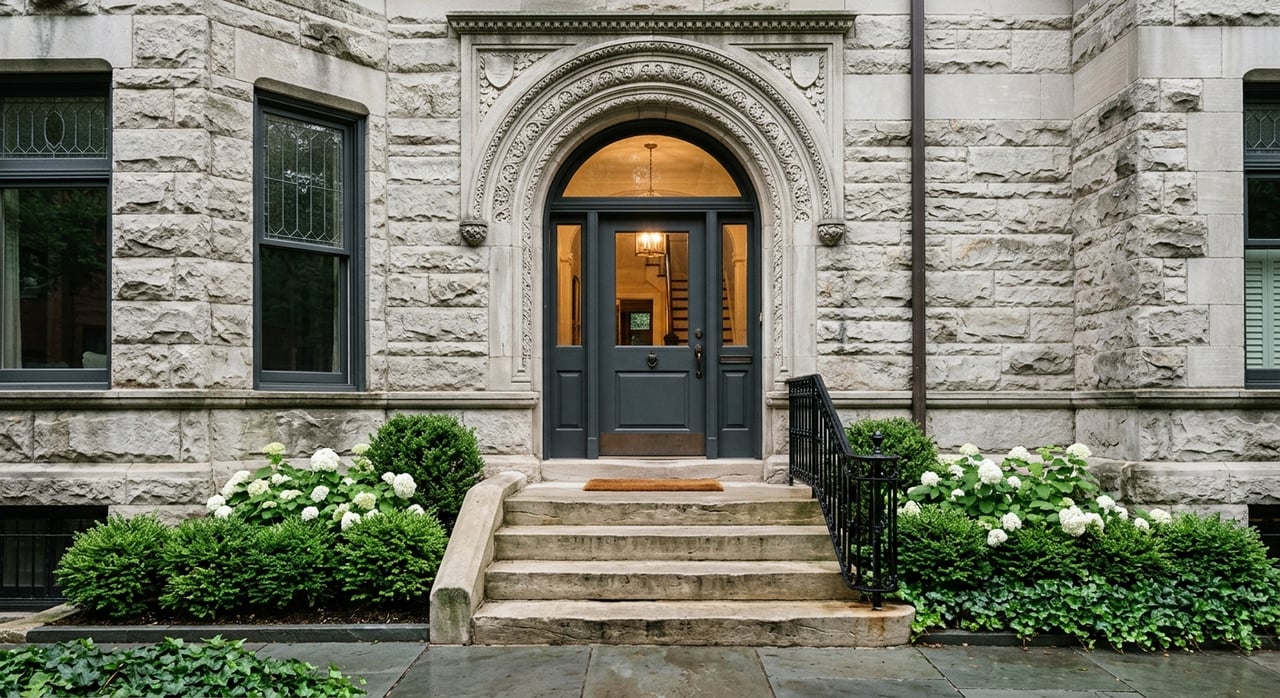
Boutique condos usually mean a building with fewer units and a more intimate setting. In River North, current examples include buildings with about 25 or 40 units, which often translates to less common-area traffic and a more private feel.
You may also see more individualized floor plans in boutique buildings. That can be appealing if you want something that feels less standardized than a larger tower. In some cases, these homes also have a more residential atmosphere, with fewer shared spaces and less foot traffic in the lobby and hallways.
That said, boutique does not always mean simple or inexpensive. Some River North boutique buildings are luxury properties with full-service features and substantial monthly HOA dues, while others have lower assessments and a more stripped-down service model.
What boutique living may offer
If you are considering a boutique condo, the appeal often comes down to lifestyle. You may prefer a quieter building, a more private entry experience, or a floor plan that feels more distinctive.
Typical advantages can include:
- Fewer units in the building
- More privacy and less common-area traffic
- Layouts that may feel more unique
- A less busy atmosphere overall
The tradeoff is that you may have fewer on-site services or amenities than you would in a larger high-rise.
High-rise condos in River North
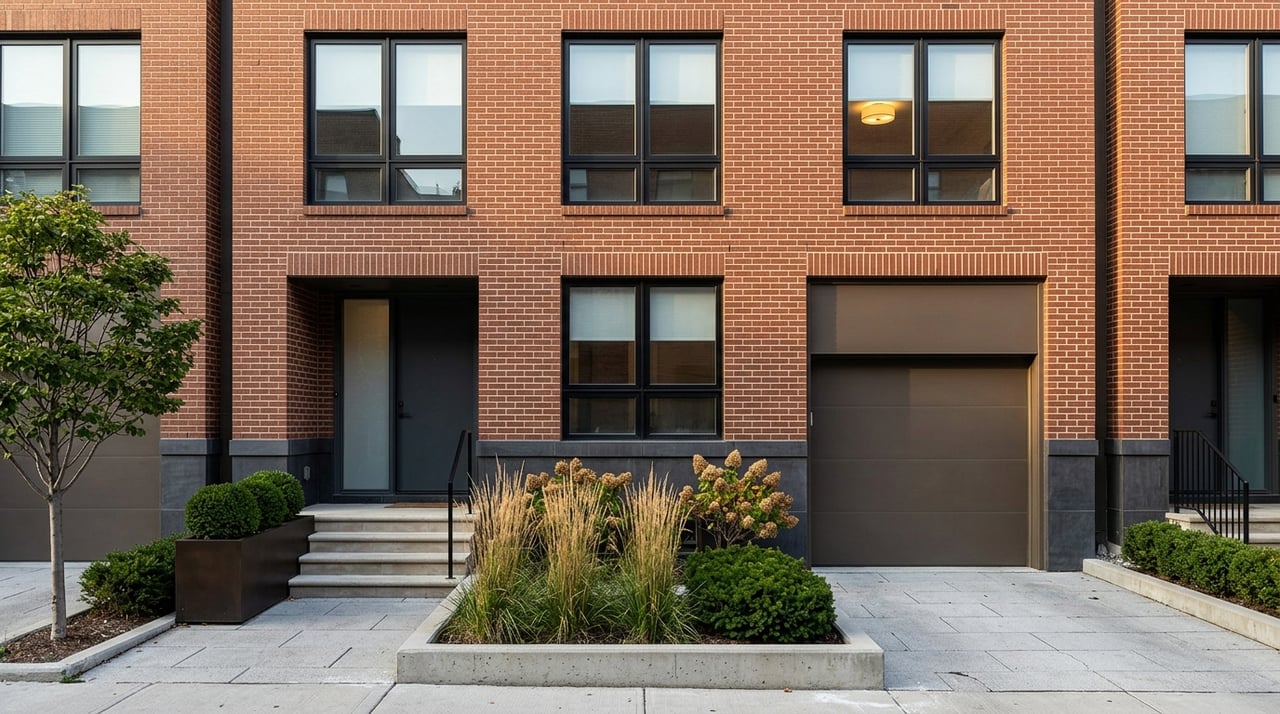
High-rise condos in River North are usually associated with full-service towers. These buildings often advertise features such as door staff, security, on-site management, engineers, fitness spaces, pools, package handling, and other convenience-focused services.
For many buyers, that convenience is the biggest draw. If you want support on site, more amenities, and a building built around ease of living, a high-rise may check more boxes.
The tradeoff is often cost and rules. More amenities and staffing can mean higher monthly HOA dues, and larger buildings may also have more policies around move-ins, amenity use, guests, and shared spaces.
What high-rise living may offer
A River North high-rise can be a strong fit if you value convenience and building services. Some local examples advertise 24-hour door staff, evening security, workout areas, pools, tennis courts, dog runs, dry cleaning, and convenience retail.
Typical advantages can include:
- Door staff and security presence
- More extensive amenities
- On-site management or engineering staff
- Easier package handling and service support
If your schedule is busy or you want a more service-oriented living experience, those features can matter just as much as the unit itself.
Monthly costs matter more than labels
One of the biggest mistakes buyers make is assuming boutique means lower dues and high-rise means higher dues every time. In River North, the real picture is much more mixed.
Current listing examples show how wide the range can be. Monthly HOA dues in recent River North condo listings include about $445 at 503 N Wells, $521 at 744 N Clark, $806 at 405 N Wabash, and $1,844 at 400 W Huron.
That spread matters because your total monthly payment is not just your mortgage. It also includes taxes, insurance, utilities, maintenance, and HOA dues, so a lower purchase price does not always mean a lower monthly cost.
What HOA dues may include
HOA dues can cover very different things from one building to another. In one River North boutique example, the assessment includes gas, heat, cooling, water, cable, and internet.
In another building, the HOA covers items such as a door person, elevators, exercise room, storage, receiving room, parking, insurance, security, cable TV, exterior maintenance, snow removal, scavenger service, and internet. That is why it is so important to compare what the dues actually buy, not just the number itself.
Why reserves and special assessments matter
A lower HOA fee can look attractive at first glance, but it does not automatically mean a building is cheaper to own over time. Illinois condominium law requires budgets to provide reasonable reserves for capital expenditures and deferred maintenance, and boards may adopt special assessments.
In plain terms, that means a building with lower monthly dues may still become more expensive later if reserves are weak or major repairs are on the horizon. Buyers should look beyond finishes, staging, and views to understand the building’s financial condition.
This is one of the most important differences between shopping for a condo and shopping for a single-family home. You are not only buying the unit. You are also buying into the building’s shared financial health and maintenance planning.
Resale and financing in River North
If you plan to own for several years, resale and financing should be part of your decision from the start. A beautiful unit in a troubled building can be harder to finance and harder to sell.
Illinois law gives buyers access to key condo documents through the resale process. Sellers must provide important information on request, including the declaration, bylaws, unpaid assessments, anticipated capital expenditures, reserve fund status, financial statements, pending suits or judgments, insurance coverage, and information about unit alterations.
Those documents matter because lenders also review project health. Some condo projects may not qualify for standard financing if they have issues such as pending litigation, too much single-entity ownership, or critical repairs, and reserve levels can also affect project review.
Why building health affects value
In River North, buyers are comparing more than kitchens and views. In an active market where homes have recently sold at 100% of asking on average, the right building and the right paperwork can support pricing, while weak documents or financial concerns can create friction.
That is why two condos with similar square footage can perform very differently. Building operations, reserve strength, assessment history, and financing eligibility can all shape demand.
How to compare buildings on tour day
When you tour condos in River North, it helps to use the same checklist in every building. That keeps you focused on the full ownership picture, not just first impressions.
Questions for boutique condos
For boutique buildings, ask about:
- Total unit count
- Reserve strength
- Special assessments, current or planned
- Parking availability and cost
- What utilities are included
- Whether the building is mostly owner-occupied or investor-heavy
These questions can help you understand whether the quieter, more private feel also comes with the financial structure and service level you want.
Questions for high-rise condos
For high-rise buildings, ask about:
- Staffing and door coverage
- Elevator count
- Package handling procedures
- Security setup
- Amenity maintenance
- Whether HOA dues include heat, air conditioning, water, cable, internet, parking, or insurance
In larger buildings, daily convenience often depends on how well these systems are run. A strong amenity list is helpful, but consistent building operations matter just as much.
Which River North condo type fits you?
The better choice is rarely boutique versus high-rise in the abstract. The real question is which building’s costs, services, rules, and financial profile fit your lifestyle and comfort level.
A boutique condo may suit you if you want privacy, fewer neighbors, and a more distinctive layout. A high-rise may suit you if you want convenience, staff support, and a larger amenity package.
In either case, the smartest move is to compare the whole picture. That means looking at monthly dues, included services, reserve strength, special assessment risk, and document quality right alongside the unit itself.
With more than two decades of Chicago real estate experience, Nickola Wells helps buyers cut through the noise and evaluate River North condos with a clear, practical lens. If you want help comparing buildings, understanding condo documents, or narrowing your search, Nickola Wells can help you take the next step with confidence.
FAQs
What is a boutique condo in River North?
- A boutique condo in River North usually refers to a smaller building with fewer units, a more private feel, and often more individualized layouts.
What is a high-rise condo in River North?
- A high-rise condo in River North is typically a larger full-service building with features such as door staff, security, on-site management, and broader amenities.
Are boutique condos in River North always cheaper than high-rises?
- No. Recent River North examples show boutique condo HOA dues can range from a few hundred dollars a month to well over $1,000 depending on services, parking, staffing, and building type.
What should River North condo buyers review besides the unit?
- You should review HOA dues, reserve fund strength, special assessment history or risk, included utilities and services, financial statements, and other resale documents required under Illinois law.
Do condo documents matter when buying in River North?
- Yes. Condo documents can reveal reserve levels, planned capital work, unpaid assessments, litigation, insurance details, and other issues that may affect ownership costs, resale, and financing.
How do I choose between a boutique and high-rise condo in River North?
- Start with your lifestyle, monthly budget, and service preferences, then compare each building’s costs, amenities, rules, and financial health before deciding.