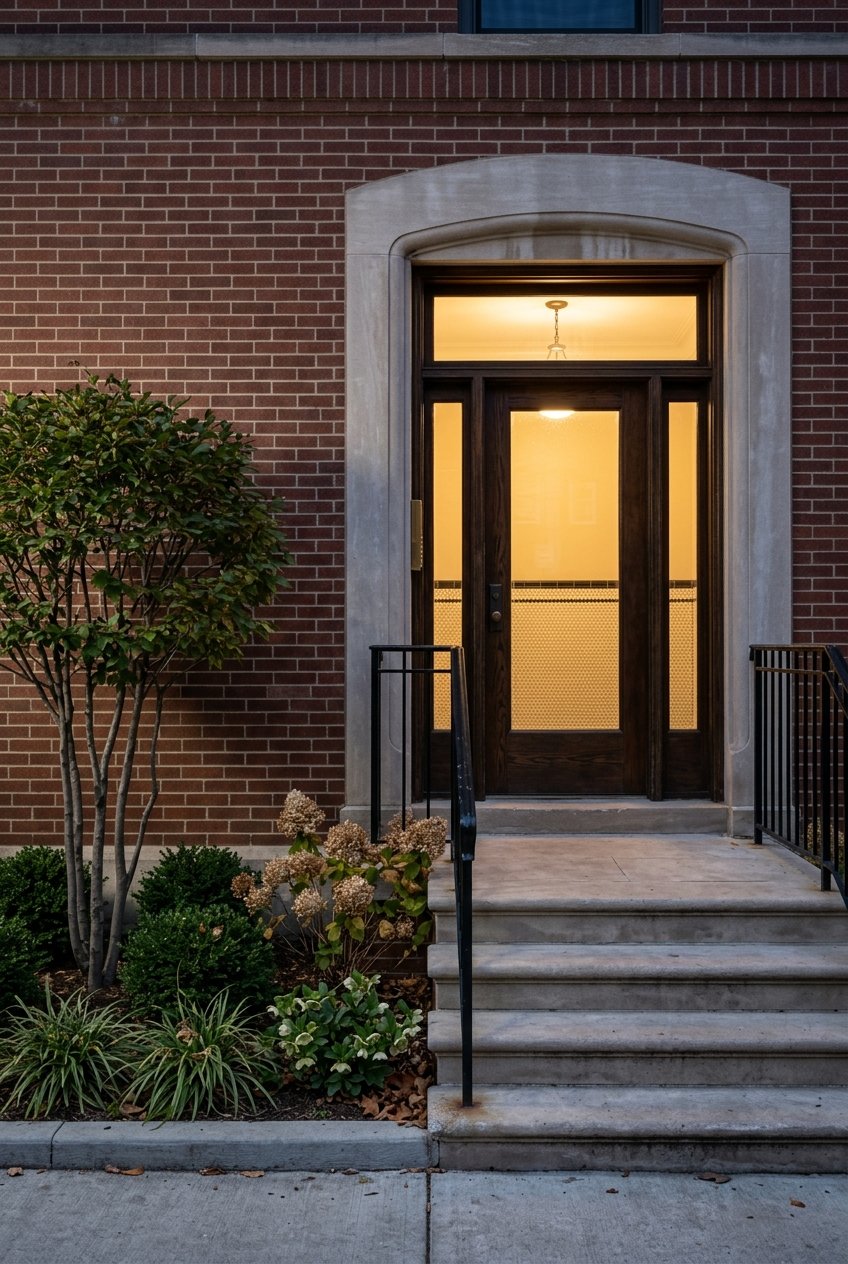
Ever wonder what you’re really signing up for when you choose a vintage walk-up in Old Town Chicago? The answer is usually a mix of charm, history, stairs, and a neighborhood rhythm that feels distinctly Chicago. If you’re weighing whether this kind of home fits your lifestyle, this guide will walk you through what these buildings are like, how daily life works, and why so many people still love them. Let’s dive in.
What a vintage walk-up means
In simple terms, a walk-up is a building without an elevator. These buildings are usually two to six stories tall, so getting home means taking the stairs every time.
In Old Town, that walk-up lifestyle often comes with older architecture and smaller-scale buildings. Instead of a large tower with extensive amenities, you’re more likely to find a compact building with a more intimate feel and details that reflect Chicago’s older housing stock.
Why walk-ups fit Old Town so well
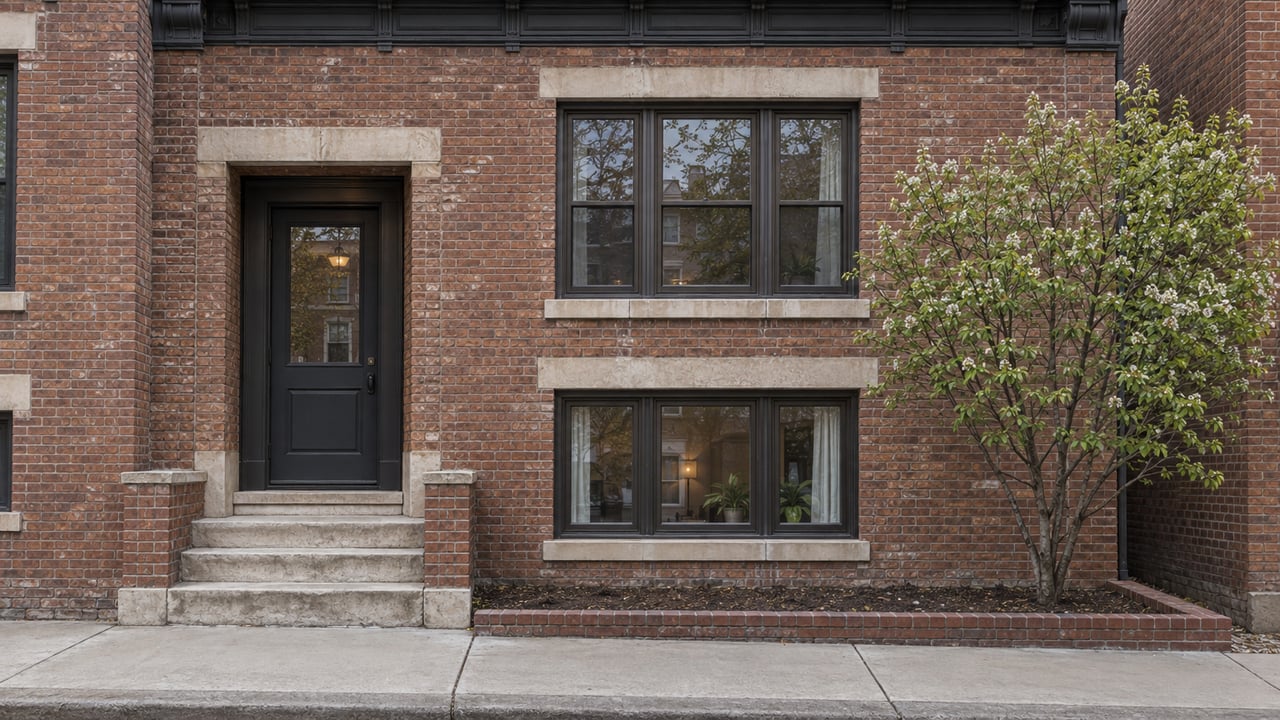
Old Town’s historic identity helps explain why vintage walk-ups feel so natural here. The historic core, known as the Old Town Triangle, was first settled in the 1850s, rebuilt after the 1871 fire with brick and stone, and later preserved through revitalization efforts that protected its streetscape and architectural character.
That setting makes older brick and stone flats feel like part of the neighborhood’s fabric rather than an exception. In a place known for narrow tree-lined streets and historic buildings, a vintage walk-up often feels like it belongs exactly where it is.
Chicago’s classic two- and three-flats are a big part of that story. These homes were commonly built between 1900 and 1918, often with one apartment per floor, bay windows, and side porches, while older apartment buildings also included two- to four-story brick walk-ups with multiple rooms on each floor.
What the interiors often feel like
If you’re used to modern open-concept condos, a vintage walk-up may feel more divided and room-based. Many classic Chicago flats were designed with several separate rooms per floor, not one large loft-like space.
That can be a plus if you want distinct living, dining, and bedroom areas. It can also mean layouts that feel less uniform from one building to the next, which is part of the appeal for buyers and renters who want character instead of a cookie-cutter floor plan.
Inside, you may see features like hardwood floors, bay windows, exposed brick, crown molding, fireplaces, and tall windows. Not every unit will have every detail, but these are some of the features commonly associated with older walk-up buildings.
The best parts of living here
For many people, the main draw is character. A vintage walk-up can offer architectural details and a sense of history that newer buildings often do not try to replicate.
There is also the scale of the building itself. Smaller buildings can feel quieter and more personal than large elevator towers, and some buyers and renters simply prefer that lower-key setup.
Old Town also adds a strong neighborhood feel to the experience. Housing, dining, shopping, and entertainment are woven into the same streets, which can make everyday life feel more connected and less car-dependent.
The tradeoffs to think through
The stairs are the biggest one. Groceries, packages, laundry, bikes, and moving day all take more effort when there is no elevator.
That may not sound like a major issue at first, but it matters in daily life. If you are on an upper floor, the walk-up part of the walk-up becomes a real lifestyle factor, not just a building description.
Amenities may also be more limited. Because these buildings are often compact, they may not offer the extras you would see in larger newer developments.
What to expect about noise and age
Vintage charm often comes with some audible character too. Older walk-up buildings can have creaky wood floors, thinner walls, and more sound transfer than newer construction.
That does not mean every building is noisy, but it is something to ask about when you tour a home. If you are sensitive to sound, pay attention to floor noise, street noise, and how much you hear between units.
Age can also show up in less obvious ways, like narrower corridors or more compact common areas. For some people, that adds to the historic feel. For others, it is a practical point to weigh before making a move.
Daily life in Old Town
One reason people stay drawn to Old Town is that daily life can feel easy and full. Wells Street is the neighborhood’s main commercial spine, with restaurants, bars, retailers, health and wellness services, comedy clubs, independent theater, and community organizations all part of the mix.
That gives the area a strong local routine. You might grab coffee, meet friends for dinner, catch a show, or run quick errands without leaving the neighborhood.
Old Town also has long-standing cultural anchors. The Second City remains one of the area’s best-known institutions, and neighborhood events like the Old Town Art Fair and Wells Street Art Festival are part of the local calendar each June.
Getting around without a car
Old Town offers strong CTA access for a North Side neighborhood. Sedgwick provides Brown and Purple Line service, while Clark/Division provides Red Line service, and both connect to multiple bus routes.
Active bus routes in and around the area include 22 Clark, 70 Division, and 156 LaSalle. The 72 North route also serves North Avenue and includes a terminal stop at North Avenue Beach.
For many residents, that makes Old Town a practical place to live without relying on a car for every trip. Still, the exact experience depends on your block, your building, and how comfortable you are combining walking, buses, trains, and stairs.
Who tends to love a vintage walk-up
This kind of home often appeals to people who value character over convenience. If you want original details, a smaller building, and a classic Chicago feel, a walk-up can check a lot of boxes.
It can also work well if you want to be close to Old Town’s restaurants, culture, and transit options. The neighborhood’s layout makes it easy to picture a lifestyle built around walking and local routines.
On the other hand, if elevator access, extensive amenities, or a highly open layout are at the top of your list, a vintage walk-up may feel like a compromise. The right fit comes down to what matters most to you day to day.
How to tour one with confidence
When you visit a vintage walk-up in Old Town, focus on both the charm and the practical side. It helps to look past staging and ask yourself how the home will feel on an ordinary Tuesday, not just during a showing.
A few things to pay attention to include:
- How many flights of stairs you will take every day
- Whether the layout feels room-based or more open
- How much natural light the unit gets from tall or bay windows
- What sounds you notice from the street, hall, or neighboring units
- How easy it feels to reach transit, shops, and everyday stops from that specific block
This type of home rewards buyers and renters who know what they value. If you go in with clear expectations, you are much more likely to know when a vintage Old Town walk-up feels right.
If you’re thinking about buying or selling in Old Town, working with someone who understands Chicago’s older housing stock can make the process much smoother. Nickola Wells brings deep local knowledge, clear guidance, and a practical eye for how vintage homes fit different lifestyles.
FAQs
What is a walk-up apartment in Old Town Chicago?
- A walk-up is a stairs-only building with no elevator, usually in a two- to six-story property.
What do vintage Old Town units usually look like?
- Many are in brick or stone buildings and may include features like hardwood floors, bay windows, crown molding, fireplaces, and more separated room layouts.
What is the hardest part of living in an Old Town walk-up?
- The biggest challenge is usually the stairs, especially when carrying groceries, moving furniture, handling packages, or living on a higher floor.
Are vintage walk-ups in Old Town noisy?
- They can be, since older floors and walls may carry sound more easily than newer construction.
Can you live in Old Town without a car?
- Often yes, especially if you are comfortable using CTA rail and bus service, walking for daily errands, and managing the stairs in a walk-up building.
Why do buyers and renters still want vintage walk-ups in Old Town?
- Many people are drawn to the historic charm, classic Chicago architectural details, smaller building scale, and the neighborhood’s active, walkable feel.