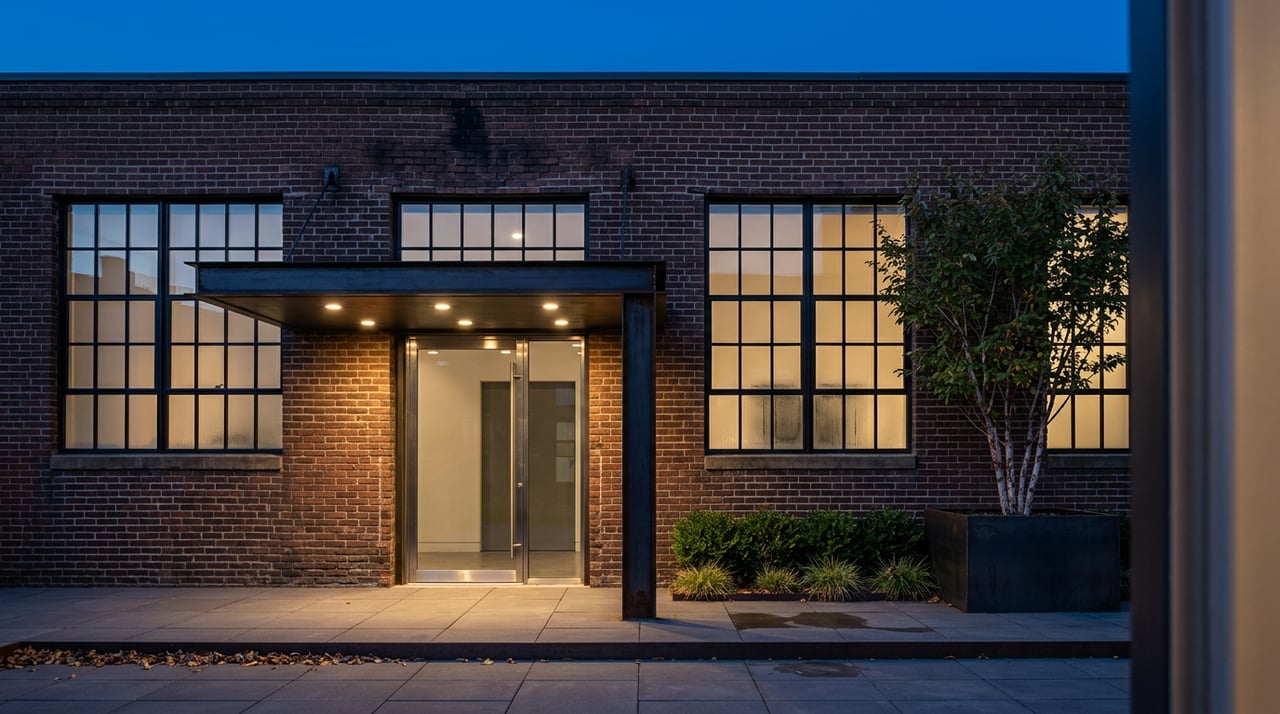
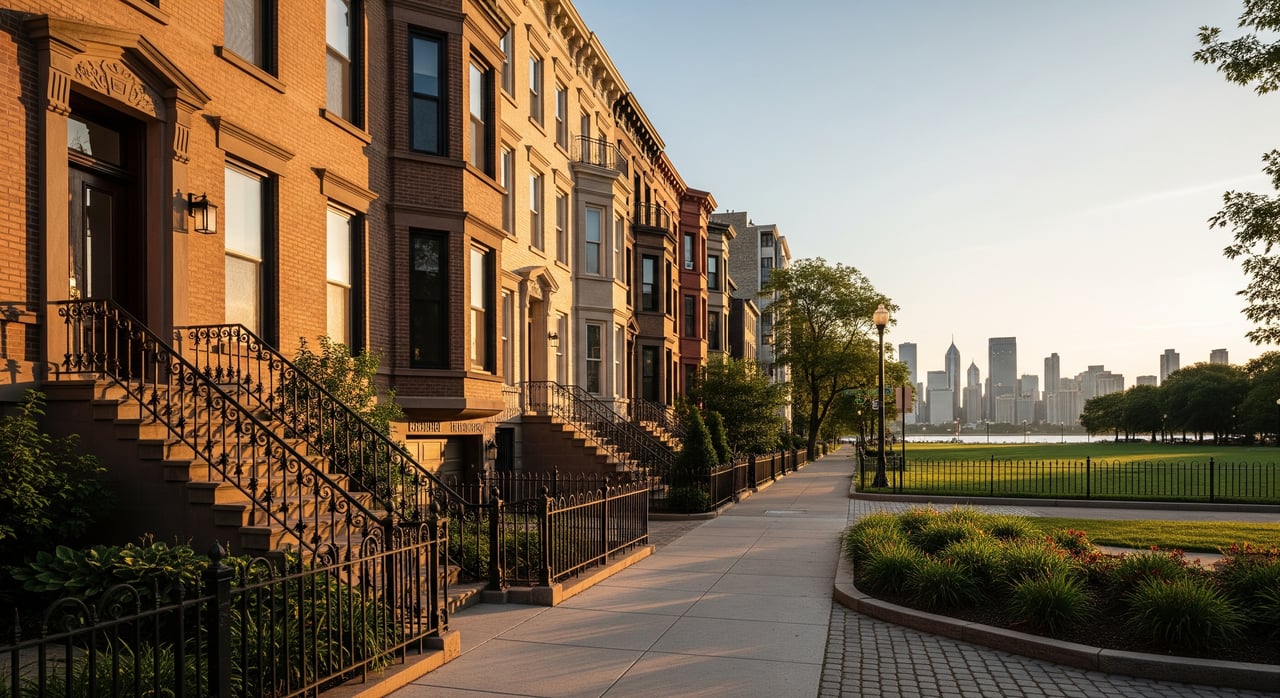
Two homes just a block apart in Lincoln Park can sell for very different prices. If you are planning to buy or sell, that gap can feel confusing. The good news is there are clear, local reasons behind those differences. In this guide, you’ll learn the micro factors that move value, how to compare streets, and what to check so you can price or purchase with confidence. Let’s dive in.
Why location matters in Lincoln Park
Lincoln Park stretches from the lakefront to lively retail corridors, with major amenities like the park itself and Lincoln Park Zoo. You’ll also find institutional anchors, including DePaul University and several private schools. Because these features cluster in pockets, prices within the neighborhood vary by block. Understanding those pockets helps you set the right strategy, whether you’re listing or making an offer.
Key micro pockets buyers compare
Lakefront and park edge
Homes right along Lincoln Park or with park and lake views often command the strongest premiums. Buyers pay for direct access to green space, recreation, and limited-supply views. Expect higher list prices and property taxes near the lake, plus more seasonal foot traffic.
East side near Clark and Halsted
Walkability is a big draw on the east side, where restaurant and retail choices are dense. You’ll see a mix of high-end condos and historic rowhouses. Prices reflect daily convenience, but units directly on busy streets can trade below similar homes on quieter side blocks.
Southport, Armitage, and Clark corridors
These boutique retail stretches attract many owner-occupants who value dining and shopping nearby. Tree-lined side streets just off the corridors often show strong resale demand. The difference between a frontage address and the interior of the block can be meaningful.
DePaul and Fullerton area
Near the university, rental demand and investor interest are higher. You’ll find more condos and multiunit buildings. Owner-occupiers should weigh noise, turnover, and the likely buyer pool at resale when comparing this pocket to quieter blocks.
Northern transition blocks
Toward the North Center and Roscoe Village edges, streets feel more residential and often quieter. Per square foot pricing here can be lower than near the lake, even for similar homes. If you are trading space for proximity to the park, this is where value can stretch further.
Retail frontage vs. interior side streets
On the same block, a home on a busy retail front may sell for less than an interior address. Noise, deliveries, and parking pressure are common tradeoffs. A side street with a calm, consistent streetscape often supports higher pricing.
Street-level value drivers
Proximity to Lincoln Park and the lakefront
Direct park access and park or lake views are scarce and prized, which can support long-term value. Buyers often accept higher prices and taxes here for quality of life benefits. Closer to the lake you might encounter more wind, noise, and tourist activity, so balance lifestyle gains against daily experience.
Walkability and daily amenities
A 3 to 8 minute walk to top corridors like Clark, Halsted, Armitage, or Southport typically adds value. Convenience for dining, coffee, groceries, and services expands your buyer pool. If the unit sits right on a busy stretch, weigh that convenience against potential noise and privacy concerns.
Transit access and commute time
Proximity to CTA trains and major bus routes attracts buyers who commute without a car. Being steps from a station can be a plus, but units immediately adjacent to elevated tracks may see a discount. Compare commute time and the block’s noise profile when pricing.
School boundaries and institutions
Many buyers prioritize proximity to public school boundaries and nearby private schools. Close access to DePaul University can increase rental demand and investor activity. Match your plans to the likely buyer pool at resale, whether that is investors, students, or long-term owner-occupiers.
Housing type and architectural character
Single-family homes and restored greystones often achieve higher prices and strong per square foot metrics. Newer luxury buildings near the lake can set neighborhood highs for condos. For older and vintage buildings, review association assessments and reserves to understand upcoming capital needs.
Lot size and streetscape
Wider lots, alley access or driveways, and tree-lined blocks are frequent premium features. Corner lots can be brighter and larger, but may see tradeoffs from traffic exposure. Orientation and elevation affect natural light and can change how a floor plan feels.
Historic districts and landmarking
Landmark or conservation district properties can be more stable and may command premiums for character. Exterior changes are restricted, which can add time and cost to renovations. Confirm status and any approval history early if you plan updates.
Noise, safety, and nightlife
Blocks near active nightlife on parts of Halsted or Clark can be less appealing for some buyers. Others value the entertainment access and accept more evening activity. Compare block-level trends and visit at different times to understand the feel.
Zoning, redevelopment, and new construction
Zoning and the local building pipeline influence future supply. Infill and new condos can pressure some segments but also raise a corridor’s profile. If you plan to expand or add, verify rules for lot coverage and permitted uses.
Short-term rentals and rules
Locations near the zoo, lakefront, and DePaul might attract short-term rental interest. Chicago licensing, plus HOA or building restrictions, can limit viability. Confirm regulations before you count on rental income in your valuation.
What can reduce value on a good block
- Direct adjacency to elevated tracks or major bus stops if noise is significant.
- Immediate retail frontage with heavy deliveries or nightlife noise.
- High HOA assessments or pending capital projects that offset location premiums.
- Flood or stormwater history near low-lying areas close to the lake.
- Landmark limits if you need major exterior changes for your plans.
How to quantify micro differences
To compare two homes fairly, go beyond neighborhood medians and work block by block.
- Use a 3-block or 0.25–0.5 mile radius to pull recent sold comps. Tighten for building type, beds, baths, condition, and parking.
- Track price per square foot, days on market, list-to-sale ratio, and inventory trends from recent weeks.
- Verify lot size, taxes, deeded parking, and assessment history for condos or townhomes.
- Map walkability and transit access, then check noise or train adjacency at the block level.
- Confirm school boundaries and proximity to institutions that influence the buyer pool.
- Review zoning, permits, landmark status, and any redevelopment nearby.
- Check floodplain or stormwater indicators if you are close to the lakefront.
Pricing tips for Lincoln Park sellers
- Price to your exact micro location. A quiet, tree-lined side street or park view can support a higher list than a comparable unit on a busy corridor.
- Lead your listing with locational advantages. Call out distance to park entrances, Lakefront Trail, specific retail blocks, and nearest CTA stops.
- Present parking clearly. Deeded or garage parking changes day-to-day utility and pricing for many buyers.
- If you are in a historic district, disclose it early and share any prior approvals to reduce uncertainty.
- Near DePaul or rental-heavy pockets, highlight features that attract owner-occupants to broaden demand.
Decision checklist for move-up buyers
- Rank what matters most: park access, quiet streets, school boundaries, retail convenience, transit, or parking. Decide how much premium each is worth to you.
- Visit the block morning, evening, and weekend to sample noise, parking stress, and pedestrian traffic.
- Ask for same-block comps from the past 6 to 12 months, not just neighborhood averages.
- For condos, review association reserves, assessments, and planned projects that might offset a prime location.
- If you plan renovations, check zoning, lot coverage, and landmark constraints before you buy.
- Compare resale buyer pools for each pocket and match that to your likely holding period.
Putting it together
In Lincoln Park, location details do the heavy lifting on value. Park proximity, walkability, transit, schools, housing type, and even which side of a street you are on can shift pricing and demand. When you quantify these drivers with block-level comps and a clear picture of tradeoffs, you make stronger decisions and avoid surprises at appraisal or resale.
Ready to price with precision or compare streets like a local? Request a Free Home Valuation or Schedule a Consultation with Nickola Wells for a block-by-block strategy that fits your goals.
FAQs
Lincoln Park lake and park view price premiums
- Premiums vary by building and unit but are often meaningful because park and lake frontage is scarce; compare recent solds with and without views on the same block or building.
DePaul proximity and resale impact
- Areas near DePaul see higher rental demand and investor activity, while many long-term owner-occupiers prefer quieter blocks; align your plan with the likely resale buyer pool.
Retail corridor addresses vs side streets in Lincoln Park
- Homes directly on busy retail stretches often sell for less than similar properties on interior blocks due to noise and activity, even within the same block.
How school boundaries affect value in Lincoln Park
- Many buyers prioritize certain public school boundaries and nearby private schools, which can create local premiums; always confirm current boundaries before you buy or price.
Parking value in Lincoln Park home sales
- Deeded or garage parking is a sought-after amenity and can materially change pricing; compare same-block comps with and without parking to quantify the difference.
Blocks to approach carefully for resale
- Properties immediately adjacent to elevated rail or heavy nightlife corridors can be harder to sell to some buyers; visit at different times and review block-level trends.
Landmark district restrictions and pricing
- Landmark areas can support value due to preserved character, but exterior changes are limited; factor added time and cost for approvals into renovation plans.