Buying your first condo in the South Loop can feel exciting and overwhelming at the same time. You want walkable streets, easy transit, a modern building, and a payment you can live with. In this guide, you will learn what South Loop condos typically cost, how to build a smart monthly budget, what to look for in buildings, and which documents to review before you write an offer. Let’s dive in.
What you can afford in the South Loop
Market indicators in early 2026 place typical South Loop condo values in the low to mid $300Ks. Specific buildings and higher floor lake or park views often trade above that range. Because data sources track different figures, it is best to think in ranges and compare by building.
- Studios and compact 1-bed units: about $200K to $350K.
- Standard 1-bed, 1-bath: about $300K to $450K depending on finishes and building quality.
- 2-bed, 2-bath: commonly $400K to $700K, higher in full-amenity towers and on view floors.
- 3-bed and luxury units: $700K to $2M plus in premium high-rises.
Price per square foot varies widely by building and view. Many recent South Loop listings land in the $275 to $450 per square foot band, with newer luxury towers higher. For any unit you like, use price per square foot and recent building comps to check value.
Common condo types and layouts
You will find a mix of historic lofts and newer towers in the South Loop.
- Loft conversions in areas like Printer’s Row often have exposed brick, tall ceilings, and flexible floor plans. Many run 800 to 1,400 square feet.
- Newer mid-rise and high-rise buildings from the 2000s and later typically offer studios around 450 to 700 square feet, 1-beds around 650 to 950, and 2-beds around 900 to 1,400. “1-bed plus den” layouts are common and useful if you work from home.
- Townhome-style condos exist, though stacked condo units in high-rises dominate.
Typical features include open kitchens with stone counters, in-unit laundry, and floor-to-ceiling windows in towers. Storage lockers and parking are key differentiators, so keep those in mind while you compare.
Your monthly budget, explained
Your monthly payment for a condo includes more than just the mortgage. Plan for these recurring items:
- Principal and interest on your loan. Early 2026 averages for a 30-year fixed sit near 6.0 percent, but always confirm current quotes for your profile.
- Property taxes. Cook County effective rates often land around 1.7 to 2.0 percent of market value, before exemptions.
- HOA assessments. Chicago ranges vary. Many buildings run $200 to $600 per month. Full-amenity downtown towers often run $600 to $1,500 plus. Always check what the fee covers such as heat, water, internet, cable, and reserves.
- Condo insurance (HO-6). Many owners pay about $300 to $800 per year depending on coverage.
- Utilities and parking if not included.
Sample monthly budgets (illustrative only)
These examples assume 20 percent down, a 30-year fixed near 6.0 percent, a 1.8 percent property tax estimate, typical HOAs, and basic HO-6 coverage. Your numbers will vary by building and lender.
Entry condo example
- Price: $325,000. Loan: $260,000. Principal and interest about $1,560 per month.
- Property tax estimate about $488 per month.
- HOA about $350 per month.
- Condo insurance about $50 per month.
- Estimated total around $2,448 per month before private utilities. Add roughly $150 for utilities for an all-in near $2,600 per month.
Mid-range 2-bed example
- Price: $450,000. Loan: $360,000. Principal and interest about $2,160 per month.
- Property tax estimate about $675 per month.
- HOA about $600 per month.
- Condo insurance about $60 per month.
- Estimated total around $3,495 per month before utilities. Add about $150 for an all-in near $3,650 per month.
Upper-range tower example
- Price: $700,000. Loan: $560,000. Principal and interest about $3,359 per month.
- Property tax estimate about $1,050 per month.
- HOA about $1,000 per month.
- Condo insurance about $75 per month.
- Estimated total around $5,484 per month before utilities. Add about $200 for an all-in near $5,700 per month.
Tip: If you put less than 20 percent down, add mortgage insurance. If your HOA covers major utilities, your private utility spend may be lower.
What income might support the payment
Lenders look at debt-to-income ratios. Many conventional buyers target a back-end DTI of about 43 to 45 percent. Use your principal, interest, taxes, insurance, and HOA as the housing payment when you estimate. For example, a $2,450 housing payment at a 43 percent DTI implies gross monthly income of about $5,700, or roughly $68,000 per year, not including other debts.
Closing costs in Chicago
Plan for layered transfer taxes, title, and lender fees.
- Transfer taxes. In Chicago, buyers customarily pay the City buyer portion near 0.75 percent of the purchase price. Combined city, county, and state transfer taxes commonly total around 1.2 percent of price across the city area. Confirm who pays which taxes in your contract.
- City Full Payment Certificate. Chicago requires a water and sewer balance certificate before recording. Build this step into your closing timeline.
- Title, escrow, and lender costs. Your lender will give you a Loan Estimate with itemized fees. Your attorney will review proration of taxes, assessments, and any credits.
Amenities, parking, and transit
Amenities that move the needle
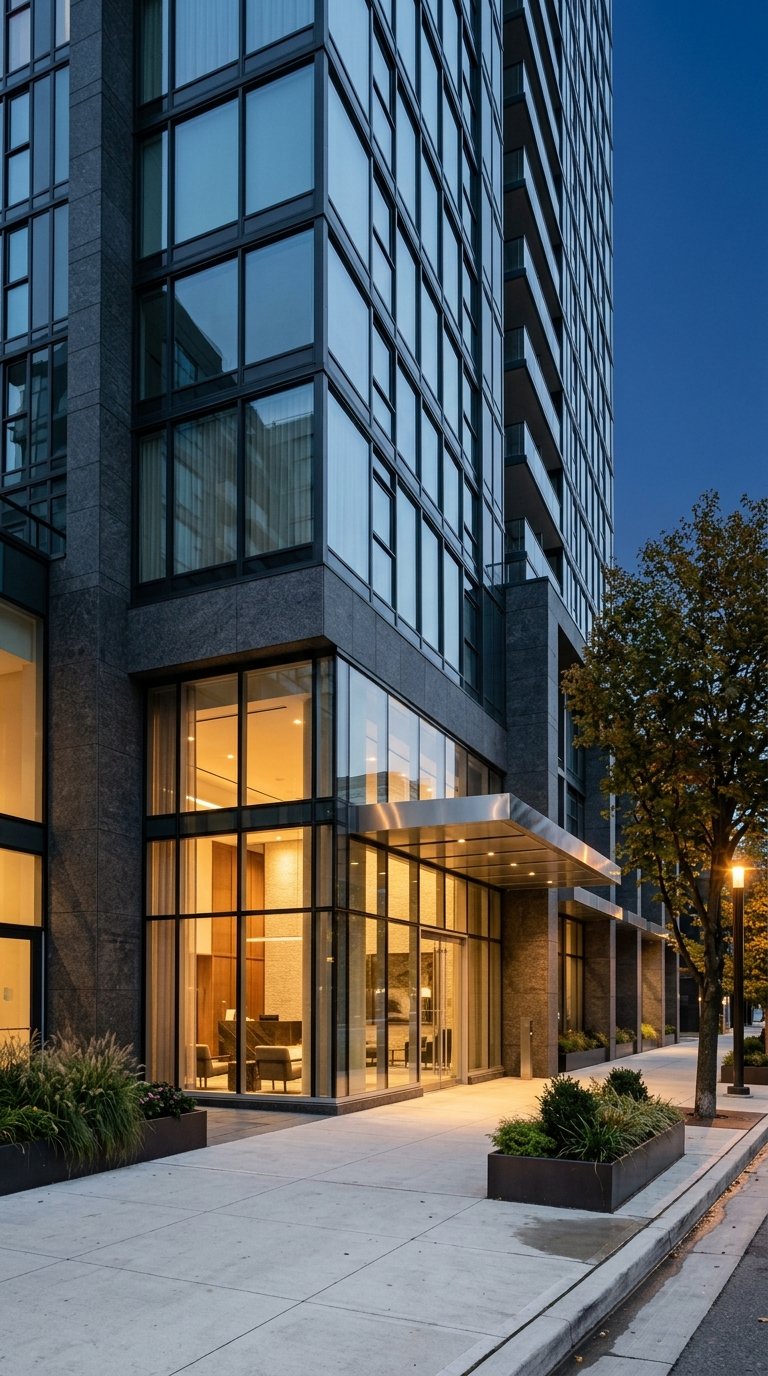
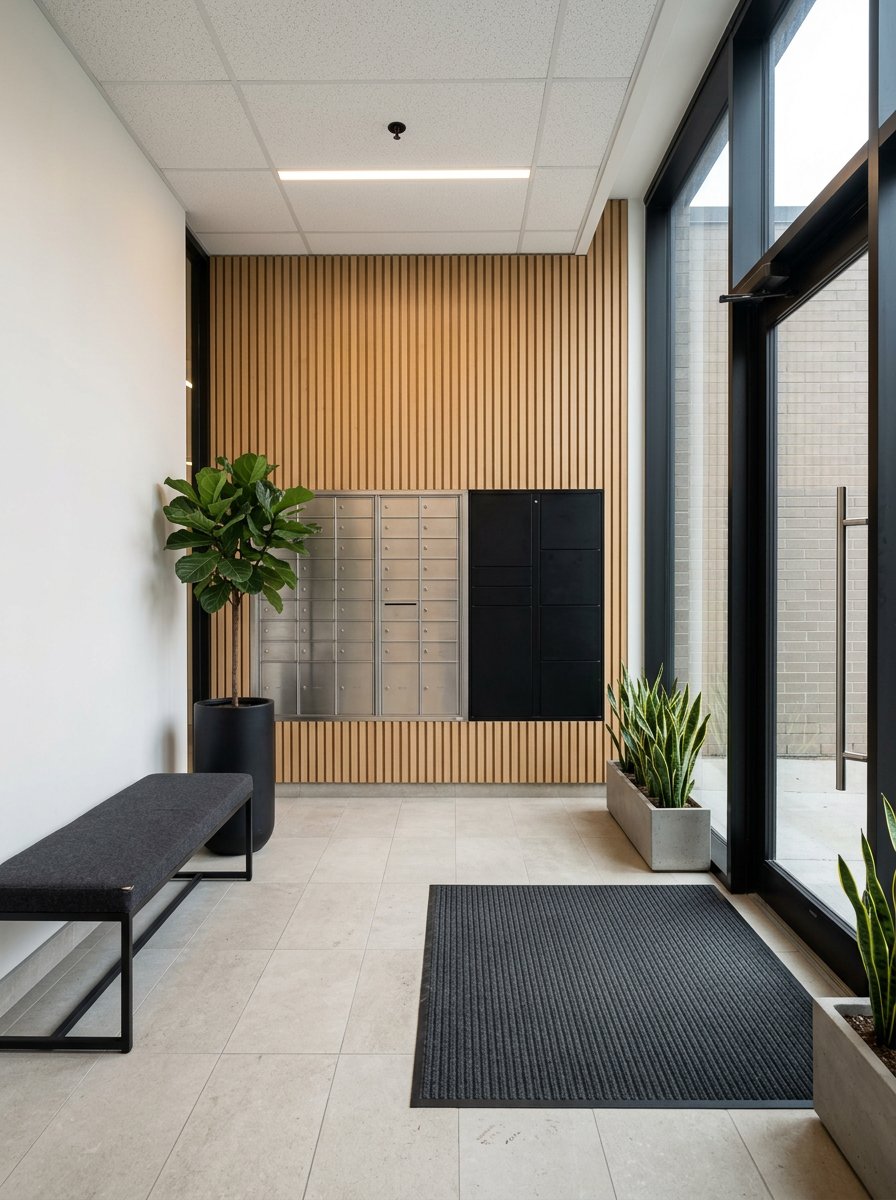
Full-service South Loop towers often advertise 24-hour door staff, on-site management, fitness centers, indoor or outdoor pools, rooftop decks, dog runs and wash stations, package rooms and lockers, co-working spaces, and EV charging. Ask exactly what your assessment covers. Heat, internet, and cable can be meaningful value adds.
Parking realities in the South Loop
Parking can be deeded, assigned, or rented. In central Chicago, deeded garage spaces commonly sell for about $20,000 to $60,000 depending on the building and whether the space is tandem or oversized. Monthly garage passes near the South Loop often run around $210 to $290, with closer-in downtown garages reaching about $200 to $400.
Always confirm whether a listing includes a parking space in the price or sells it separately. If renting a space, ask about waitlists, terms, and EV charging access.
Transit and lifestyle access
The South Loop is prized for connectivity. Roosevelt station provides transfers between the Red, Orange, and Green Lines, and the Green Line at Cermak-McCormick Place serves the convention corridor. Metra Electric and Millennium Station offer commuter rail options. On weekends, easy access to the Museum Campus, Grant Park, and the Lakefront Trail adds year-round recreation and cultural value.
Smart due diligence steps
Buying a condo is as much about the building as the unit. Strong associations protect long-term value. Here is how to vet them.
Request these documents early
Under the Illinois Condominium Property Act, buyers have a right to review a resale packet. Ask for:
- Declaration, Bylaws, Rules and Regulations.
- Current budget, recent financial statements, and the seller’s unit account statement.
- Minutes from the last 6 to 12 months of board meetings.
- Master insurance policy and a summary of coverage versus what the unit owner must insure.
- Reserve fund balances, the latest reserve study or capital plan, and any notices of planned projects or special assessments.
- Any pending litigation that involves the association.
Finance and lender checks
- Ask your lender early whether the building is warrantable for conventional financing. If you plan FHA or VA, confirm the building’s approval status.
- Expect your lender to request an HOA questionnaire and two years of financials. Quick responses from management are a positive sign.
- If you want the option to rent the unit later, review rental caps and short-term rental rules.
Red flags to watch for
- Low or near-zero reserves paired with a major roof, façade, or mechanical project on the horizon.
- Recent, frequent, or large special assessments within the last few years.
- Major pending litigation that could impact assessments or insurance.
- Insurance coverage gaps such as very high deductibles or missing coverage for key systems.
Touring tips that reveal a lot
- Walk common areas at different times of day. Look for cleanliness, maintenance quality, and visible security or door staff.
- Verify the parking space number on the deed or the terms of any monthly contract. Check the storage locker too.
- Test cell reception and ask about building internet providers and speeds. Some towers include amenity Wi-Fi.
- Confirm exactly what your monthly assessment covers and how much is budgeted for reserves.
First-time buyer game plan
Follow a simple, step-by-step plan to move from browsing to keys in hand.
- Get pre-approved. This clarifies your comfort zone and strengthens your offer.
- Define must-haves and nice-to-haves. Think bed and bath count, parking, view priorities, pet policies, and HOA inclusions like heat or internet.
- Shortlist buildings and micro-areas. Compare assessments, amenity sets, and walk times to transit and the Lakefront Trail.
- Tour with intent. Schedule a route that includes the unit, amenities, garage, storage, and a quick neighborhood walk. Bring a simple checklist to compare finishes, windows, noise levels, and closet space.
- Price check and offer strategy. Use price per square foot and recent building comps to frame value. Factor in parking and any needed updates.
- Lock financing and review HOA docs. Share the resale packet with your attorney and lender right away. Resolve questions before attorney review deadlines expire.
- Final walk-through and move-in plan. Confirm repairs and inclusions, set up utilities and insurance, and book your move with building management.
You do not have to map this alone. With 24 plus years in Chicago real estate and deep experience with documentation-heavy transactions, you can get a calm, clear process from search through closing.
Ready to start or just want a second opinion on a building’s finances? Reach out to Nickola Wells for a friendly, no-pressure consult. You will get local context, a clear budget picture, and a plan to find the right South Loop condo for your life and numbers.
If you are weighing South Loop versus a nearby neighborhood, we can compare price bands, HOA ranges, transit access, and parking options side by side so you can choose with confidence.
When you are ready, connect with me to take the next step. I am here to help you buy with clarity and confidence in the South Loop.
FAQs
What are typical South Loop condo prices for first-time buyers?
- Many first-time buyers focus on studios and 1-beds around $200K to $450K, with 2-beds often between $400K and $700K depending on building, amenities, and views.
How much are HOA assessments in South Loop buildings?
- Assessments commonly range from $200 to $600 per month. Full-amenity towers often run $600 to $1,500 plus, depending on what is included such as heat or internet.
What property taxes should I budget for a South Loop condo?
- A rough planning number is 1.7 to 2.0 percent of market value per year in Cook County before exemptions. Your actual bill depends on assessed value and applicable exemptions.
Who pays Chicago transfer taxes when buying a condo?
- Buyers in Chicago typically pay the City buyer portion near 0.75 percent of the purchase price. Combined city, county, and state transfer taxes commonly total around 1.2 percent. Confirm responsibilities in your contract.
How much does parking cost if it is not included with the condo?
- Deeded spaces in central Chicago often sell for about $20,000 to $60,000. Monthly garage passes near the South Loop typically run around $210 to $290, with some downtown garages closer to $200 to $400.
Is South Loop transit-friendly for commuters and daily errands?
- Yes. Roosevelt station connects the Red, Orange, and Green Lines, with additional Green Line access at Cermak-McCormick Place. Metra Electric offers commuter rail. Many residents also enjoy walkable access to Grant Park and the Lakefront Trail.
What condo documents should I review before I make an offer?
- Request the resale packet including Declaration, Bylaws, Rules, budget, financials, master insurance, recent minutes, reserve balances or studies, special assessment history, and any pending litigation.