
Love the warmth of timber beams, but also tempted by a doorman and package room? If you are home shopping in Chicago’s West Loop, you have likely toured both character-rich lofts and sleek, newer condos. Each path offers a different mix of costs, maintenance, and lifestyle. This guide breaks down the real differences so you can match your budget and day-to-day priorities to the right building. Let’s dive in.
West Loop housing types explained
What a loft means
A West Loop loft usually describes the unit’s architecture and feel. Think high ceilings, exposed brick or timber, large factory-style windows, and open floor plans. Many are historic conversions of former warehouses or factories in and around Fulton Market. Legally, a loft can still be a condominium unit, so confirm the actual ownership type in the condo documents.
What a condo means
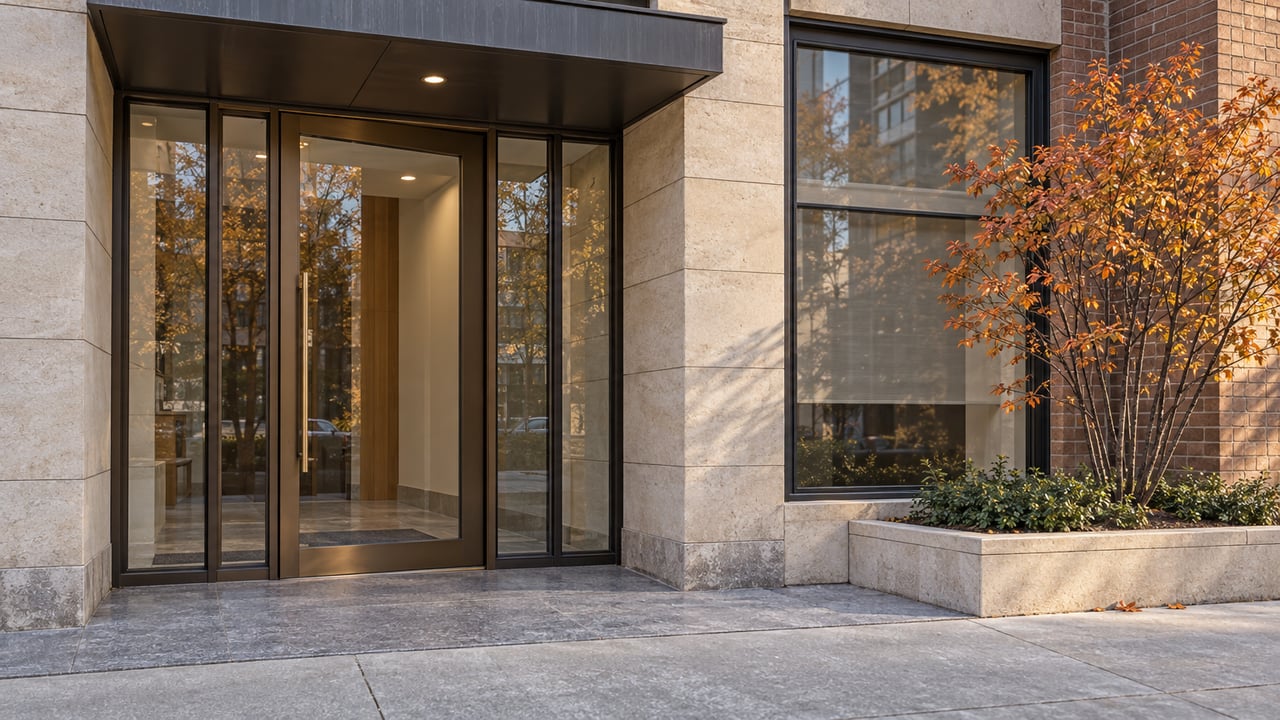
A condo in West Loop typically refers to a unit in a purpose-built condominium development. You will find conventional layouts, built-in closets, modern mechanical systems, and an association that manages the building. Newer condos may trade some character for amenities like a fitness center, rooftop deck, package room, and staffed entry.
Cost breakdown: one-time and monthly
Purchase price and closing
Purchase prices vary widely by building and location. Character lofts often command a premium for features like high ceilings and brick walls in prime spots. Newer condos sometimes price competitively on a per-square-foot basis, depending on finishes and amenities. Closing costs are similar for both types, though lender requirements can tighten if a building has high delinquencies or low reserves.
Monthly assessments and reserves
- Newer condos: Monthly assessments typically cover amenity operation and staffing, along with building systems and common areas. Fees can be higher, but they usually include more services.
- Loft conversions and boutique buildings: Assessments may be lower if there are fewer amenities. Older buildings can face more volatility from special assessments for roofs, windows, or envelope repairs.
Always review the association’s budget, reserve study, and meeting minutes. Strong reserves and a clear capital plan often matter more to your long-term costs than glossy lobby finishes.
Taxes, insurance, and utilities
- Property taxes: In Cook County, taxes are based on assessed value. Location and square footage drive most differences, not whether the unit is a loft or a condo.
- Insurance: Associations carry a master policy. You carry an HO-6 policy for interior coverage. Older loft finishes and larger windows may affect your unit-owner policy. Confirm what the master policy covers and the association deductible.
- Utilities and HVAC: Newer construction often delivers better insulation and modern HVAC, which can stabilize bills. Converted lofts may have older windows or less efficient systems that increase variability.
Living experience tradeoffs
Sound and privacy
- Lofts: Open plans can reduce internal partition noise, but older conversions may have thinner party walls and shared joists that transmit sound. Large windows and high ceilings can create echo and pick up street noise on lower floors.
- Newer condos: Many newer buildings include sound-rated wall and floor assemblies, mechanical closets, and better acoustic design. Thin walls can still occur in some projects, and units near elevator shafts may hear mechanical noise.
What to do: Ask for soundproofing specs, check any past complaints, and visit at different times of day to test noise.
Natural light and windows
- Lofts: Industrial windows often flood living areas with light. Window efficiency and sealing vary by building age and prior upgrades.
- Condos: Many newer condos offer floor-to-ceiling glass. Orientation, floor level, and neighboring buildings still shape actual daylight.
What to do: Confirm window age and glazing type, look at the unit’s orientation, and watch for shadowing from adjacent structures.
Storage and layout
- Lofts: Expect fewer built-in closets and utility rooms. Owners often add custom storage or furniture-based solutions. Storage lockers are less common in smaller conversions.
- Condos: You usually get a more conventional mix of closets, laundry rooms, and sometimes assigned storage cages.
What to do: Verify included storage, parking storage options, and any waitlist for building storage.
HVAC and efficiency
- Lofts: Conversions may have older systems like radiators, PTACs, or retrofitted forced-air. Equipment age and noise can vary unit to unit.
- Condos: Typically central forced-air with modern controls. Some buildings use central chillers or boilers with in-unit fan coils.
Ownership note: In many associations, equipment that serves only your unit is your responsibility. Confirm responsibilities in the condo documents and request maintenance records.
Amenities and lifestyle
- Loft conversions: Fewer amenities and limited staffing. The lifestyle centers on character, open space, and independence.
- Newer condos: Amenities like fitness centers, rooftop decks, package rooms, and doormen add convenience. They also increase operating costs and monthly assessments.
Think through your daily routine. If you value a staffed lobby, streamlined package handling, and shared spaces, a condo may fit. If you prize uniqueness and an open, creative layout, a loft can be compelling.
Parking, storage, and bikes
- Parking: Many conversions have limited on-site parking. Newer condos often include structured parking, with spaces sold or leased at an added cost.
- Storage: Newer buildings more often provide storage cages. Smaller loft buildings vary widely.
- Bikes and EV: Bike rooms are common in newer developments. Confirm EV charging availability and rules around installation in both types.
What to do: Ask about deeded parking, guest parking, storage location, costs, and EV options before you write an offer.
Financing and resale outlook
Lender review and eligibility
Lenders review condo projects for owner-occupancy ratios, delinquencies, litigation, and special assessments. Boutique loft buildings with high investor ownership or elevated delinquencies can be harder to finance. Newer, established condo projects tend to meet standard lender criteria more often, but you should still confirm with your lender.
Buyer pool and liquidity
- Condos: Conventional layouts, predictable assessments, and amenities appeal to a broader buyer pool. This can support liquidity and financing.
- Lofts: Unique character can command a premium for the right buyer, but a narrower audience can mean longer days on market for some units.
Staging helps both, but it is especially useful in lofts to define sleeping areas and storage solutions for buyers.
Due diligence checklist
Documents to request
- Association budget, financial statements for the last 2 to 3 years, and the most recent reserve study.
- Meeting minutes for the last 12 to 24 months and a list of recent or pending special assessments.
- Master insurance policy details and association deductible.
- Owner delinquency report and owner-occupancy ratio.
- Roof, window, and exterior envelope repair history.
- Seller disclosures, including water intrusion or structural issues.
- For conversions: building permit history and alterations. Include HVAC maintenance records and elevator contracts.
Questions to ask
- What is the current reserve balance and target funding level? When was the last reserve study?
- Are any capital projects or assessments planned in the next 3 to 5 years?
- What is the current delinquency rate and number of rental units?
- Who handles repairs for in-unit HVAC versus building systems? Any known code violations?
- Any ongoing litigation, vendor disputes, or recurring noise complaints?
- What are the rules for renovations, in-unit HVAC upgrades, and short-term rentals?
Physical inspection focus
- Structure: Beam and joist condition, settlement signs, and cracks around windows or foundations.
- Water: Staining near windows, rooflines, and masonry. Check older brick for infiltration.
- Windows: Operation, air leaks, and glazing type.
- Mechanical: Boiler or heat age, electrical service capacity, and presence of older materials that may require specialized handling.
- Sound: Visit during rush hour and evenings to assess noise transmission.
Your professional team
- A real estate attorney experienced with Illinois condo law.
- A home inspector familiar with older masonry and loft conversions.
- An HVAC technician or mechanical engineer if systems raise questions.
- A local agent with deep West Loop experience across both conversions and new construction.
Quick-fit guide
- You might lean loft if you prioritize one-of-a-kind character, soaring ceilings, and flexible open space, and you are comfortable with potential maintenance variability.
- You might lean condo if you value predictable monthly costs, modern systems, amenities, and wider resale appeal.
Next steps
The right choice comes down to how you live, what you want to spend monthly, and how much volatility you can accept in building repairs. In West Loop, inventory ranges from historic timber lofts near Fulton Market to newer mid and high-rise condos with full-service amenities. If you compare apples to apples on assessments, reserves, windows, and HVAC, you will make a clearer decision with fewer surprises after closing.
If you want a second set of experienced eyes on budgets, reserves, and building fit, reach out. With 24-plus years of Chicago-specific guidance, I can help you narrow your shortlist to the buildings that match your lifestyle and bottom line. Start a conversation with Nickola Wells to plan your next move with confidence.
FAQs
What is the main difference between a loft and a condo in West Loop?
- A loft describes the unit’s style and conversion history, while a condo usually refers to a purpose-built building with conventional layouts and an active association.
How do monthly assessments compare between lofts and newer condos?
- Newer condos often have higher assessments tied to amenities and staffing, while conversions may be lower but face more risk of special assessments for older systems.
Are West Loop lofts harder to finance than condos?
- Sometimes; boutique conversions with high investor shares or delinquencies can be tougher for lenders, while established condo projects often meet standard criteria.
Do lofts have higher utility costs than condos?
- They can, especially if windows or HVAC systems are older or less efficient, though actual costs vary by building and unit upgrades.
What should I review before making an offer on a condo or loft?
- Request the budget, reserve study, recent minutes, insurance details, special assessments, delinquency data, and repair histories for roofs, windows, and the exterior.
Which has better resale potential in West Loop, loft or condo?
- Condos often appeal to a broader buyer pool, while unique lofts can command premiums for the right buyer but may take longer to sell.