
Are you comparing two River North condos with very different monthly fees and wondering what you actually get for the money? You are not alone. Assessments can be confusing, and the lowest number is not always the best choice. In this guide, you will learn how assessments work in Illinois, what drives costs in River North buildings, how to compare associations, and how to spot red flags before you make an offer. Let’s dive in.
What assessments cover
Monthly assessments are the association’s regular charges that fund day-to-day operations and long-term repairs. In Illinois, associations follow the Illinois Condominium Property Act and the building’s declaration and bylaws. These documents set how costs are shared, how boards adopt budgets, and how unpaid assessments are collected.
Each unit is assigned a percentage interest, sometimes called a unit factor. Most associations use that formula to split costs, though some documents allow certain fees to be divided differently. When you buy, you will receive a resale disclosure packet with budgets, financials, insurance details, and other key facts. Review this packet closely during your contract contingency window.
Types of assessments
Operating assessments
Operating assessments cover regular expenses like building insurance, management fees, common-area utilities, cleaning, repairs, snow removal, elevator service, and any staff such as a doorman or building engineer. The board adopts an annual budget, then divides it among units to set monthly dues.
What is included varies by building. Some associations include heat, water, and internet in the monthly fee. Others bill those items to owners directly. Always confirm inclusions when comparing listings.
Reserve contributions
Part of your monthly payment should go to the reserve fund. Reserves pay for major repairs and replacements, such as the roof, façade, windows, boilers, elevators, and parking garage work. Healthy reserves reduce the need for surprise special assessments.
Many associations commission a reserve study by an engineer to estimate useful life and replacement costs. A current study, updated every few years, helps boards plan funding levels and timelines.
Special assessments
Special assessments are one-time charges for expenses not covered in the regular budget or reserves. Common reasons include urgent repairs, a big project that was not fully funded, or a legal settlement. Building documents spell out how special assessments are approved and whether the board can act quickly in an emergency.
Special assessments can be significant, especially in older buildings with deferred maintenance. Review the history and the plan to prevent repeats, not just the one-time amount.
Delinquencies and collection
Associations can charge late fees, record liens, and even foreclose for unpaid assessments. High delinquency rates strain cash flow and can lead to higher dues or special assessments for other owners. Check delinquency information in the financials.
Why River North fees vary
Amenities and services
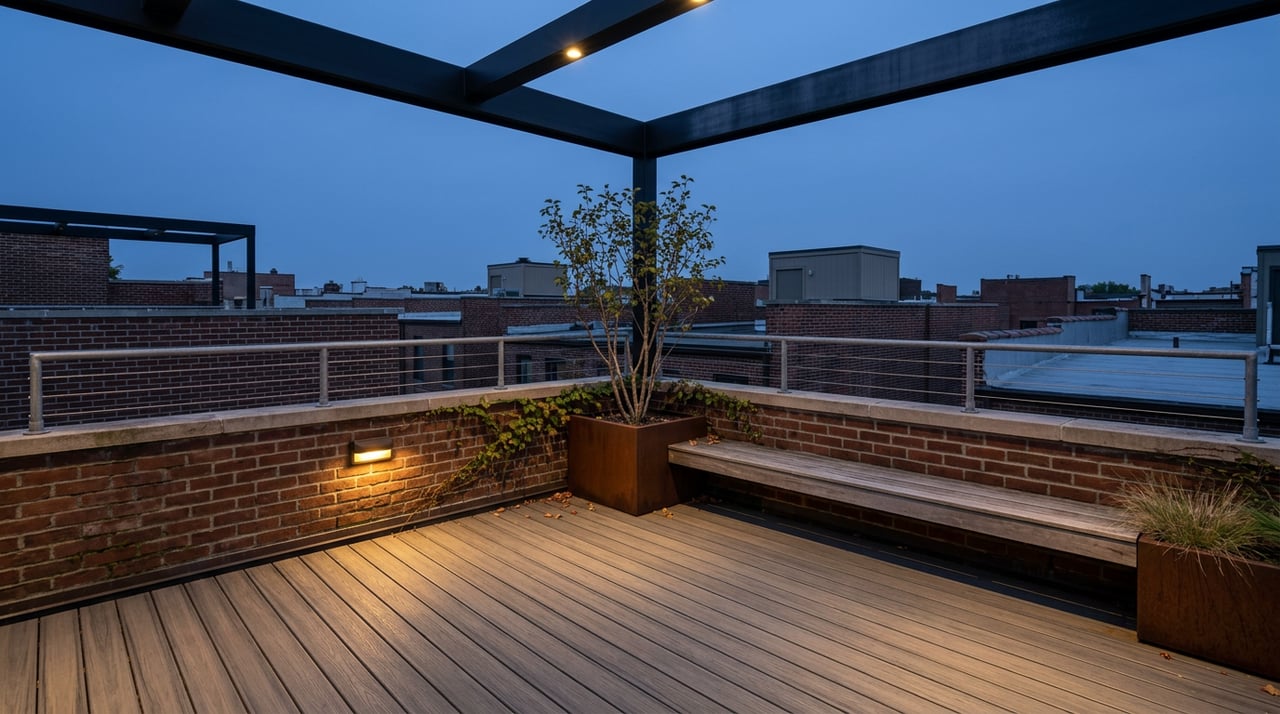
High-amenity towers with concierge, pool, large fitness centers, roof decks, lounges, and garage services usually have higher monthly costs. These features add staffing, utilities, maintenance, and equipment replacement to the budget. A building that includes heat or water in the fee will also show higher dues, even if your separate utility bills are lower.
Staffing and management
A 24-7 doorman, on-site engineer, or full-time manager increases payroll. Professional management adds fees but often delivers better budgeting and reserve planning. Self-managed buildings may save on fees, yet they must still plan reserves and maintenance carefully.
Building age and condition
River North has a mix of older loft conversions and newer luxury towers. Older, low-amenity buildings can show lower monthly dues, but they may carry larger long-term repair needs. Newer buildings may start with higher dues due to amenities and early staffing, yet their long-term stability depends on reserve planning after developer transition.
Chicago’s winters and freeze-thaw cycles stress roofs, façades, and mechanical systems. Snow removal, heating, and weather-related repairs are real budget factors here.
Parking and mixed-use elements
On-site parking garages add ventilation, waterproofing, concrete repairs, and insurance to the budget. If parking is rented, revenue can offset costs. In mixed-use buildings with retail or commercial space, cost sharing can be complex. Review how expenses are allocated across residential and commercial units.
Insurance and litigation
Insurance is a major line item. Premiums can rise after claims or market shifts. Ongoing litigation, such as construction defect cases, can also drive legal costs and potential special assessments.
How to compare buildings
Use a simple, consistent approach so you are not misled by a single number.
Checklist: documents to request
- Current and recent budgets
- Financial statements for the last 1 to 3 years
- Reserve study and funding policy, including last study date
- Current reserve balances and any restrictions on funds
- Schedule of assessments and a list of inclusions, like heat or internet
- Allocation formula or unit percentage interest
- Special assessment history for the past 5 to 10 years
- Board meeting minutes from the last 6 to 12 months
- Management contract summary and fees
- Master insurance coverage, limits, and deductibles
- Pending litigation disclosures
- Declaration, bylaws, rules and regulations, and lease or pet policies
- Parking and storage rules and any fees
Key metrics to compute
- Effective monthly cost: Add the monthly assessment plus owner-paid utilities not included in the assessment, and add parking or storage costs. This gives a fair apples-to-apples figure across buildings.
- Per-square-foot assessment: Divide the monthly fee by unit square footage to compare similar properties. Interpret carefully. Inclusions and amenities matter.
- Reserve indicators: Compare current reserve balance to the needs outlined in the reserve study. If no study exists, compare reserves to the annual budget for a rough signal of funding strength. Favor the study’s recommendations over arbitrary thresholds.
- Special assessment frequency: Count how many special assessments occurred over the last 5 to 10 years and their average size. Frequent or large charges point to shortfalls or deferred work.
- Delinquency rate: A high past-due percentage can stress the budget and increase the risk of future increases.
Red flags to investigate
- No reserve study or an outdated study
- Reserves near zero with aging roofs, façades, or elevators
- Big upcoming projects without full funding or a financing plan
- High delinquency rates or special assessments used to cover operating shortfalls
- Active litigation that could increase costs
- High insurance deductibles that shift risk to owners
- Board minutes showing deferred maintenance or governance challenges
Example comparison workflow
- List each unit’s monthly assessment and what it covers. Note heat, water, internet, and parking.
- Estimate your owner-paid utilities for items not covered. Use the same approach for each building.
- Add parking or storage fees if they apply. If parking is rented, include the monthly rent.
- Check the reserve study date, current reserve balance, and near-term projects. Note any special assessments in the last 5 to 10 years.
- Weigh amenities and age. A higher-fee building with solid reserves and predictable maintenance can be less risky than a lower-fee building with thin reserves and looming repairs.
Professional reviews
Before you finalize a purchase, consider involving:
- A real estate attorney experienced in Illinois condominiums to review the resale packet and legal risks
- A CPA or tax advisor to explain assessment and special assessment tax treatment
- A home inspector and, for older or larger buildings, a structural or envelope engineer to interpret building condition and reserve study findings
- A lender familiar with condo approvals to confirm building eligibility for your loan type
Final thoughts
The lowest monthly assessment in River North is not always the best value. You want predictability. That comes from strong budgeting, a current reserve study, healthy reserves, clear maintenance plans, and sensible amenity levels for your lifestyle. If you compare total monthly cost and read the documents carefully, you will make a confident, informed choice.
Ready to evaluate a specific building or compare a few listings side by side? Reach out to Nickola Wells for a clear, local review of the numbers and the documents before you write your offer.
FAQs
Why do condo fees differ in River North?
- Amenities, staffing, what utilities are included, reserve funding, building age and condition, and management practices all drive costs, which is why fees vary widely.
What does a reserve fund pay for in a Chicago condo?
- Reserves cover major replacements and repairs of common elements such as roofs, façades, windows, boilers, elevators, and parking structure work.
How can I spot a likely special assessment before buying?
- Look for underfunded reserves, multiple deferred repairs, major upcoming projects without funding plans, and board minutes that flag urgent issues.
Is it OK to buy into a building with a recent special assessment?
- It depends on the reason, whether the project solved the core problem, and the plan to avoid repeats. Review financing terms and long-term reserve strategy.
How are assessments allocated among units in Illinois?
- Most buildings use each unit’s percentage interest set in the declaration. Some fees may use alternate formulas if the documents allow.
What should I ask about utilities included in monthly fees?
- Confirm which utilities or services are included, estimate your separate costs for what is not, then compare the total monthly cost across buildings.